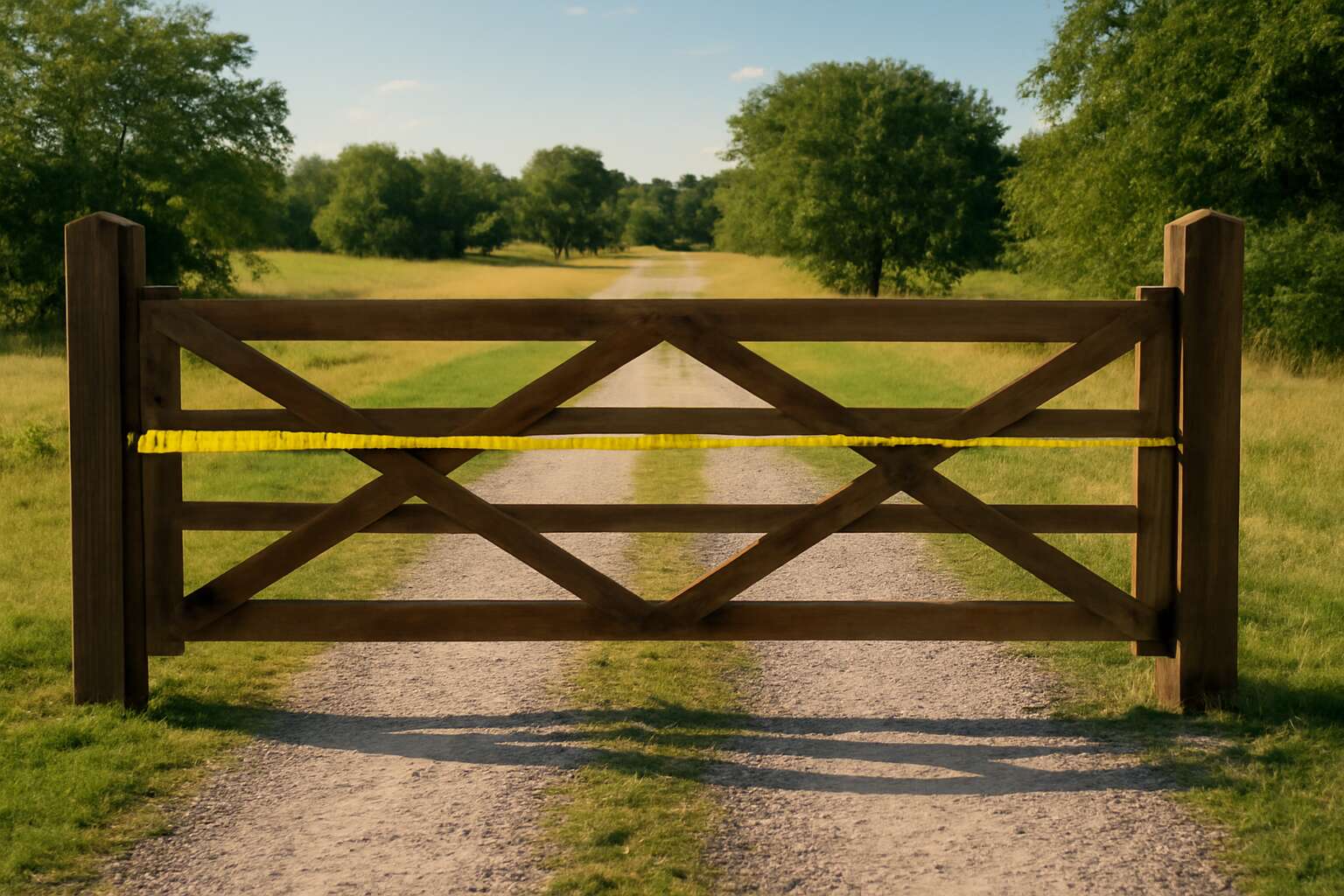
Farm Gate Length Essentials
Standard length ranges for farm gates
On South African farms, gate length isn’t just a detail—it’s a workflow decision with grazing-level consequences. A veteran says, ‘Measure twice, gate once,’ and somehow it sticks. When you talk about farm gates length, you’re weighing how cattle move, how vehicles pass, and how the gate stands up to blazing sun and rain!
Standard ranges help keep projects predictable. Here are common benchmarks:
- 2.4–3.0 m for single-span pedestrian access or small holdings
- 3.0–4.0 m for typical farm gates that accommodate tractors and livestock
- 4.5–6.0 m for double-width drives or larger yards
Sizes shift with gate style and fencing, but consistency matters for aesthetics and operation across farms.
Measuring and calculating gate length for openings
“Measure twice, gate once,” a veteran’s refrain that still rings along the red SA soil and the creaking of timber. In a working yard, the gate opening sets the day’s tempo—who gets through, how smoothly, and for how long.
Measuring farm gates length begins with the opening itself: take exact widths between posts, add hinge clearance, and remember the space a latch needs to swing open. Include ground conditions, sun exposure, and how the gate frame will cope with heavy traffic. The right length keeps cattle moving with intention, vehicles passing without drama, and maintenance predictable.
- Measure the clear opening precisely and add a margin for weathering.
- Count hardware and swing clearance to avoid snagging.
- Assess soil, drainage and sun exposure that affect track alignment.
Getting farm gates length right isn’t flashy, but it saves time, reduces wear, and sharpens the farm’s rhythm.
Materials and their impact on length stability
Across South Africa’s farms, gate misfit costs days and cattle alike—up to 60% of daily movements hinge on opening reliability. A well-chosen material and built frame keep the rhythm steady through heat, dust, and heavy traffic.
Farm gates length stability hinges on materials. Timber swells with rain; steel breathes with heat and resists rust when galvanised; composites stay truer but can soften in direct sun over years. Heft, balance, and post anchorage all influence how the gate holds its length under load and weather. The result is fewer misalignments and quieter passage for stock and machinery alike.
Essentials shaping length stability:
- Timber grade and moisture content
- Corrosion-resistant hinges and latches
- Post material and setting to cope with soil and drainage
- Frame design that resists sag over time
The right blend of materials ties farm gates length to predictable operation, even on red soils and long sunshine days that SA farms endure.
Safety, installation, and maintenance margins
Across South Africa, farm gates length isn’t just about width—it’s the tempo of the day. In heat and dusty wind, up to 60% of daily movements hinge on a gate that opens reliably, letting cattle and equipment pass without hesitation. A gate that holds its length keeps the farm’s rhythm intact.
Safety sits at the hinge of honest design: predictable operation protects people and stock, while misfit length invites snagging and surprise closures. When the gate length remains steady, passage stays calm and work flows smoothly.
Installation margins matter as much as the gate itself. Ground anchorage and frame alignment that respect soil and drainage reduce drift. Maintenance margins matter too—periodic checks catch shifts before they disrupt daily flow. That care keeps farm gates length predictable after years in sun and rain.
- Hard-wearing hardware and weather-ready finishes
- Post anchorage that stands up to red soils
- Quiet, steady movement for stock



0 Comments