The Enduring Allure of Classic Fencing
Why this fence style never goes out of fashion
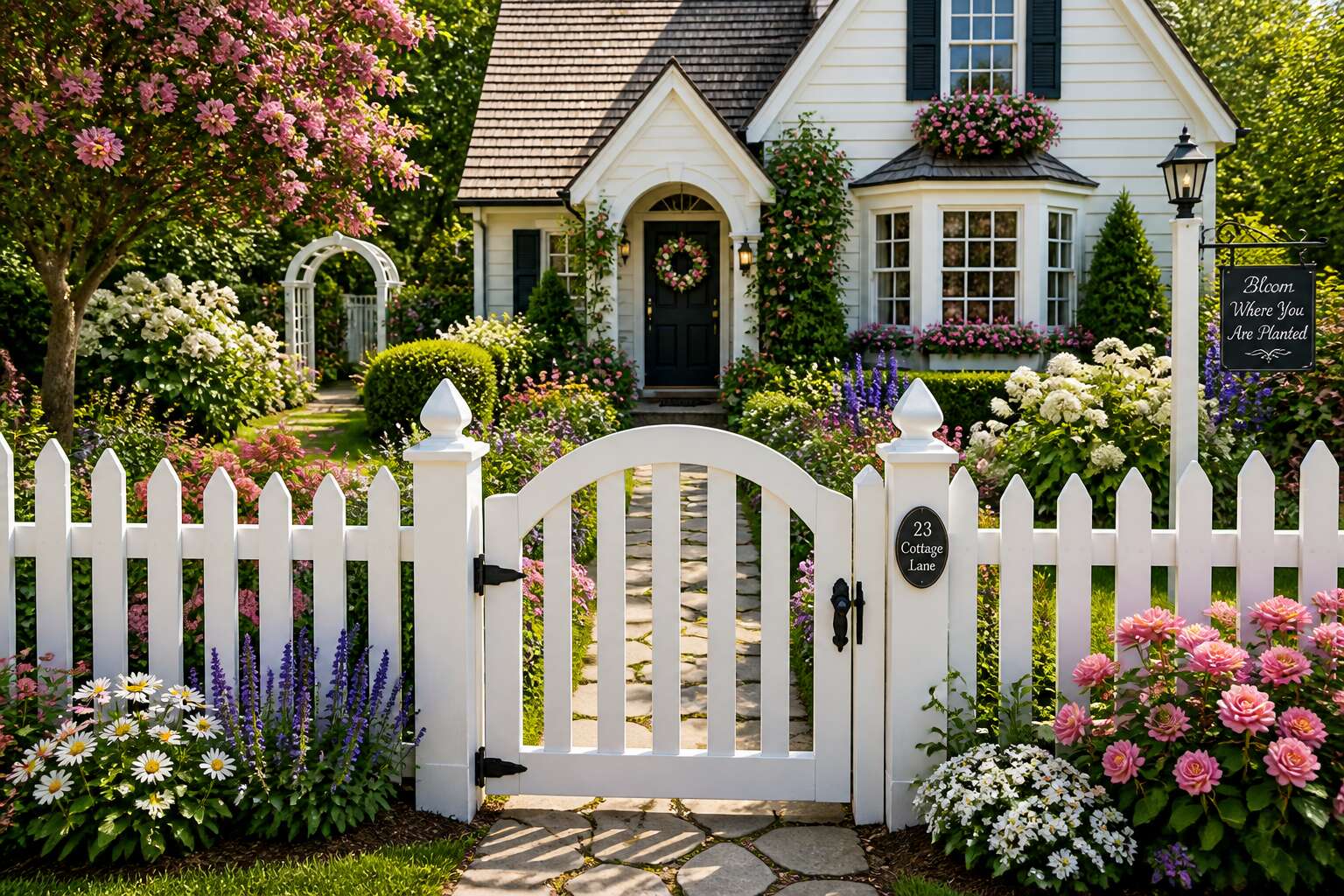
Very few fence styles last through ten decades of shifting architectural preferences. Yet picket fences remain a defining feature of established neighbourhoods across South Africa. Simplicity explains their staying power. A horizontal rail and vertical boards create a pattern that neither modern screens nor solid walls replicate.
Homeowners choose them for three recurring reasons:
- They mark boundaries without blocking sight lines.
- They offer a friendly greeting to passersby.
- They pair well with both brick homes and timber cottages.
That visual openness keeps the style versatile. Even as security needs evolve, we find the classic profile adapts without losing its character.
Symbolism and curb appeal: more than just a boundary
The picket fences of a well kept home do more than guard the lawn. They shape the entire conversation a property has with the street. In South African suburbs, estate agents know that a clean white fence can add measurable appeal before a potential buyer even reaches the front door.
The symbolism sits deep in the cultural memory. An open fence invites the eye to linger on the garden, yet still marks the private boundary. Curb appeal depends on those small signals. I have watched buyers slow down when a fence frames the house correctly. The vertical boards create a rhythm that feels calm and deliberate.
That impression of order transfers directly to the home itself. A property with picket fences reads as cared for, trustworthy and worth the asking price.
Regional variations and historical roots
The fence has military roots. The French piquet was a pointed stake used to anchor tents, and that shape carried into civilian life. In the Cape, early settlers built picket fences from yellowwood and imported Baltic pine, choosing materials that withstood harsh sun.
Regional variation emerged from necessity. The Western Cape’s southeasterly winds demanded short, sturdy fences with tight spacing. KwaZulu-Natal’s coastal salt air pushed homeowners toward hardwood pickets that resisted corrosion. Gauteng’s dramatic temperature swings required double enamel coatings to prevent warping.
- Cape Dutch homes paired masonry pillars with timber pickets
- Karoo farms anchored wooden rails on stone bases
- Natal Midlands properties used painted pine for heavy rainfall
Spacing and height once communicated social standing in early Cape towns. Tightly spaced picket fences implied prosperity. A crooked, unpainted fence suggested neglect. Walking through Stellenbosch, you can still read those signals in older neighbourhoods.
Modern interpretations of a timeless design
Modern picket fences have moved beyond the whitewashed Victorian stereotype. South African homeowners now specify powder coated steel and aluminium composites, materials that resist rust and persistent UV damage. In Johannesburg’s northern suburbs, horizontal slat variations reinterpret the classic picket profile, offering privacy while preserving line of sight. Coastal properties in Durban turn to composite pickets that survive salt spray without losing wood grain charm.
Architects even embed subtle LED strips into rails, turning a boundary into a soft night glow. Customisable spacing means you can block a busy street yet let in afternoon breeze. One architect told me, “My clients want definition, not fortress.” That sentiment defines the modern approach. The underlying principle remains: picket fences should connect a home to its landscape, not sever it. Whether timber, metal, or hybrid, they offer clean lines and lasting function.
Choosing the Right Materials and Styles
Wood varieties: pine, cedar, and redwood compared
Selecting wood for picket fences forces a decision between immediate savings and future headaches. Pine is the budget option that warps and splits without diligent sealing. Cedar naturally repels moisture and pests, making it a dependable middle ground. Redwood offers exceptional strength and longevity, though its cost and limited supply demand serious consideration.
Here is a quick comparison for the practical homeowner:
- Pine: economical, requires regular treatment, prone to distortion
- Cedar: moderately priced, naturally rot resistant, easy to cut
- Redwood: expensive, highly durable, harder to source in South Africa
Coastal regions favour cedar or redwood against salt air. The Highveld’s drier climate lets pine survive with yearly maintenance. Picket fences built from the right wood will serve you for decades. Choose wrong and you will be replacing boards while your neighbour drinks tea. That trade off deserves your attention.
Low-maintenance alternatives: vinyl, composite, and metal
Local fencing contractors report that nearly 40% of timber fences need replacement within a decade. That statistic explains the quiet rise of vinyl, composite, and metal alternatives. We barely think about these materials until our wood starts splintering.
Vinyl withstands UV rays without fading, though it can become brittle in extreme cold. Composite blends recycled wood fibre with plastic polymers, resisting rot while mimicking timber grain. Steel or aluminium offers the strongest profile; powder coating prevents rust in coastal humidity.
For those who value longevity over tradition:
- Vinyl: zero maintenance, higher upfront cost, limited colour range
- Composite: eco-friendly, heavy panels, prone to surface scratches
- Metal: fire resistant, excellent security, absorbs heat in summer
Picket fences in these materials still deliver the classic silhouette. They just do not demand the annual attention that wood requires!
Understanding picket spacing, heights, and profiles
Spacing between pickets changes the whole character of the boundary. Narrow gaps of 50 millimetres create a solid, private barrier. Wider gaps of 100 millimetres let light through and keep the fence feeling airy. Heights follow the same logic. A 900 millimetre fence marks a garden edge. A 1.8 metre fence becomes real security.
Profiles matter equally. Flat-topped pickets read modern. Pointed or dog-eared tops follow Cape Dutch or Victorian traditions. Steel suits sharp profiles. Timber accepts any cut. Vinyl is locked into whatever the mould produces.
Check these before ordering:
- Spacing relative to street frontage
- Height relative to sightlines from the house
- Profile relative to the architectural period
Picket fences fail when proportions clash with the house. Get the dimensions right first.
Decorative tops and finishing touches
Decorative tops turn a row of uniform pickets into a feature. In South African suburbs, the spear point adds formality, while a rounded cap softens the line. Material dictates what you can achieve. Timber accepts any cut, so a flame-tip profile becomes possible. Steel needs a clean geometric top due to the cutting process. Vinyl offers limited shapes but consistent quality. Consider these options when styling your boundary:
- Spear points for a sharp, traditional look
- Rounded caps for a welcoming, gentle edge
- Scalloped tops for a Cape Dutch flavour
Finishing touches extend to paint and post caps. Dark green or black iron picket fences suit older houses. A clear sealant on timber lets the grain show through. These details shape the entire street presence, so match them carefully to your home’s period.
Matching your fence to your home’s architectural style
The most photographed streets in Cape Town share one quiet feature: fences that respect the house behind them. A frosted white palisade suits a seaside cottage, but it fights a Victorian gable. The material choice flows from the architecture.
Timber fencing with wide boards and a relaxed finish echoes the Karoo farmhouse vernacular. Steel profiles with clean lines feel at home in suburban Johannesburg, especially for security without heaviness. Composite and vinyl suit contemporary builds, where practicality anchors the design. For older homes, these choices matter:
- Rough-sawn pine boards, stained in earth tones, match cottage exteriors
- Powder-coated steel in charcoal or forest green complements face-brick homes
- White vinyl lends a neat, uniform look to modern facades
When the fence and the facade are designed as one composition, the boundary becomes an asset. That is the true function of picket fences in South African streetscapes: not division, but definition.
Customization options: paint colors and stains
Most homeowners choose a material first, then commit to a color. This is backwards. The finish defines how the fence reads from the street. A warm cedar stain softens a long boundary. A matte charcoal paint makes the fence recede into the garden. Choose your palette before you commit to the material.
For timber fences, consider a penetrating oil stain instead of paint. It lets the grain show and ages gracefully. For steel and aluminium, powder coating in a single deep tone offers durability. White remains popular, but coastal and inland homes use it differently. Near the coast, white reflects heat; inland, it can glare.
- Earth tones (umber, ochre, moss) for thatch and stone homes
- Deep greens and charcoal for face-brick builds
- Grey-blue washes for coastal cottages
The best picket fences look like they were always that colour.
Installation Essentials and Best Practices
Planning your layout and checking property lines
Few property decisions carry as much legal weight as a boundary line. In South Africa, a fence misplaced by half a meter can trigger disputes that outlast the wood it’s built from. Confirming boundary pegs before breaking ground turns an aesthetic choice into a defensible position.
Layout planning for picket fences requires assessing the terrain as much as reading the title deed. Slopes, vegetation, and stormwater paths shape how a fence line behaves over time. A straight line on paper rarely translates cleanly to uneven ground, so marking the full run before digging prevents costly corrections.
- The legal line, verified by a registered surveyor
- Municipal bylaws governing height and setback limits
- The location of underground cables and water pipes
The most elegant picket fences lose their charm when they lean into a neighbour’s property. Precision at this stage is quiet respect for everyone who shares that boundary with you.
Tools and materials needed for a DIY project
A post set 600mm into the ground will outlast one set 400mm. That simple fact separates sturdy picket fences from the ones that lean after a Highveld storm. For a DIY installation, the tools matter less than the preparation.
Gather this kit before breaking ground:
- Post hole digger and spirit level
- String line for setting the run
- Treated poles, pine rails, and pre-cut pickets
- Quick-set concrete and galvanised screws
The sequence matters too. Set corner posts first, run the string line, then fill the line posts. Check each post with the level before the concrete cures. I’ve watched DIY crews skip this step and pay for it later. The holes should go below the frost line, which in most of South Africa means at least 500mm deep. Add gravel at the base for drainage, because wet soil rots timber faster than dry heat ever will. Picket fences with properly set posts stay true for decades.
Step-by-step guide to setting posts and rails
The true test of picket fences comes three summers later, after the ground shifts and the wind does its worst. The sequence of your work determines whether the line holds. Set the posts and let the concrete cure completely before you think about rails. A spirit level catches the slumps that a string line simply cannot.
Check every post twice, once before the mix cures and once after. Rails attach only when the posts have stopped moving. Pre-drill the galvanised screws, because pine splits when forced. Use one spacer block for every gap between pickets.
Run the rails along the top and bottom faces so the pickets sit in the same plane. A fence that looks straight from the road and from the garden rewards the patience you put into the groundwork. Picket fences do not demand perfection, but they do demand consistency.
Common installation mistakes to avoid
South African builders often say picket fences fail at the joints. The first visible sign is a picket that never settles flat against its rail. Clay soil heaves posts at different depths, so a uniform hole depth fails across uneven ground. Drainage and compaction vary from hole to hole.
Another common mistake involves fasteners. Thinner pickets need shorter screws, but a single box of long screws applied everywhere leads to popping heads and loosened joints. A consistent screw length ignores the real thickness of rails and pickets, and the fence loses its grip within a season.
Hiring a professional versus building it yourself
The decision to hire a professional or build it yourself rests on three factors: slope, soil, and schedule. I have watched homeowners underestimate a 2% grade, then spend a weekend shimming rails. Professionals in South Africa charge per metre, but they include compaction testing and treated pine that meets SABS standards. For a short run under ten metres on flat ground, DIY makes sense.
I ask clients three questions:
- Is the ground mostly level, or does it drop more than 300 mm across the line?
- Do you have access to a post-hole digger suitable for your soil type?
- Can you commit to curing concrete for seven days before attaching rails?
Picket fences demand patience, and the best picket fences balance both approaches. A professional brings guarantees, but a DIYer adjusts each joint by hand. Some owners split the work: hire for the digging, do the picket placement themselves.
Maintenance, Repair, and Longevity
Seasonal cleaning and inspection routines
There is a quiet ritual to preserving a picket fence, one that South African weather demands with particular severity. The highveld sun and coastal salt air conspire against even the most robust timber, testing the resolve of every post and rail. I find that a biannual inspection, timed with the equinoxes, reveals more about a fence’s true condition than any hurried glance ever could.
The work itself is methodical. You walk the perimeter slowly, running fingers along joints and peering into shadowed corners where moisture collects. Look for the telltale softening of wood at ground level, that spongy texture that betrays rot before it becomes visible. Check that each nail head remains flush and that the picket fences still stand proud and true.
– Examine all post bases for cracks or fungal growth.
– Test the rigidity of each rail by applying gentle pressure.
– Inspect hinges and latches on any gate sections.
– Clear debris and vegetation from the fence line.
A fresh coat of preservative every few years forms the primary defence, but the inspection itself is the true guardian. It transforms fence maintenance from a chore into a form of stewardship. In this way, picket fences can endure for decades, their quiet resilience a testament to consistent attention.
Refinishing and repainting: how often is necessary?
The highveld sun strips pigment with merciless efficiency, so picket fences facing north may need refinishing every two years while sheltered sections last twice as long. I press my palm against the planks after rain; if the water sinks in rather than beading, the protective film has surrendered!
Repainting is a renewal, not a cosmetic indulgence. Scrape away flaking sections, sand the bare patches, and apply a primer before the topcoat. The repair sequence matters:
- Remove loose paint down to sound timber.
- Treat any exposed knots with shellac.
- Apply two thin coats rather than one thick.
This cadence keeps the wood resilient. Neglect forces premature replacement, which costs far more than a brushful of quality paint.
Repairing damaged pickets and loose rails
The Highveld sun does more than fade paint; it dries the timber itself, causing joints to shrink and rails to loosen. A picket fence that stands proud in winter may develop a noticeable wobble by late summer. I test suspect sections with both hands, pushing firmly at the top of each picket. Movement of more than a few millimetres means the fixing has failed or the wood has twisted.
Preventative tightening is the cheapest repair you will ever make. Carry a cordless drill and a box of galvanised screws on your routine walk around the yard. Re-drive any popped nails or replace them outright with screws, which grip the grain far better. The common failures are easy to spot:
– Split pickets where the nail was driven too close to the edge.
– Rails that have rotated, presenting the narrow face to the weather.
– Posts that have settled, dragging the entire section off plumb.
For split sections, I work epoxy glue into the crack using a thin blade, then clamp the timber overnight. It sounds fussy, but a repaired picket that costs R15 beats a new one that costs R150, especially if the new one must be stained to match. Loose rails are more serious. A rail carries the weight of every picket attached to it. If the rail bolts have pulled through the post, the whole section sags.
Replace damaged rails with the same timber that surrounds them. Pine rails on a cedar fence rot faster than the pickets they support. Stainless steel or coated deck screws last longer than galvanised nails, which blacken in the damp and weaken over time. These small interventions extend the life of picket fences dramatically. With routine attention every season, a timber fence can survive decades. Without it, you will be rebuilding sections every few years. The judgement is simple: spend an afternoon with the drill now, or spend a weekend with the saw later.
Protecting your fence from moisture, rot, and pests
Moisture is the main cause of rot in timber picket fences. In South Africa, alternating downpours and harsh sun create conditions for fungal growth. Check the base of each post where it meets the soil. That is where damp lingers longest. Apply a wood preservative with a brush every two years, focusing on end grain and joints.
Termites and borer beetles also target untreated wood. Keep vegetation trimmed away from the fence line to reduce humidity and insect pathways. A simple soil gradient that drains water away from posts will add years of service. These habits protect your investment and keep picket fences functional for decades.
Cost, Value, and Practical Considerations
Breaking down the average cost per linear foot
The average cost per linear foot for picket fences in South Africa varies widely. Pressure treated pine might set you back R150 per metre, while cedar climbs closer to R400. But the lifespan defines the real cost. A cheaper fence that needs replacing in five years costs more than a durable option lasting twenty.
Practical considerations matter. Before committing, assess your soil type, as clay shifts more than sandy ground. Also, factor in labour if you are not building yourself. Here is a breakdown of typical price ranges:
- Pine: R120 to R180 per metre
- Vinyl: R250 to R350 per metre
- Cedar: R350 to R450 per metre
The numbers only tell part of the story. Your location influences delivery fees, often by 20 percent!
Factors that influence the final price
The true cost of picket fences in South Africa only emerges once you examine the details. Delivery fees shift by as much as 20 percent depending on your province, and site preparation often introduces charges that never appear in the advertised price. I have watched identical designs produce wildly different quotes, solely because one property had rocky soil while another rested on flat, sandy ground.
Value ignores the initial figure alone. A picket fence that warps within three years carries hidden expenses in repairs and repainting. The durability of your material determines the long-term price, a factor many homeowners miss when comparing catalog numbers.
- Site access and slope affect labour time.
- Post concrete and fixings accumulate quickly.
- Removing an old fence raises the total.
Practical considerations, including wind exposure and sun damage, dictate which materials survive. These variables shape the final number far more than the per-metre rate ever will.
Adding resale value to your property
Few homeowners calculate the return on their paling line. Yet estate agents consistently note that a crisp, straight boundary adds more to a sale price than a renovated bathroom. The initial outlay for picket fences often frightens buyers, but that figure ignores the resale premium. A sagging, grey structure signals neglect. A taut, painted one signals a property that is managed well.
Practical considerations drive this value. I have seen buyers walk away from a property over a broken latch! Buyers inspect the fence for rot, termite damage, and loose pickets. A fence that requires immediate replacement is a negotiating chip against the seller. One that stands firm allows you to hold your asking price. Consider what an inspector notes:
- Post stability and concrete footings
- Paint adhesion and wood warping
- Gate swing and latch function
These items determine whether picket fences add equity or become a liability. The cost difference between a durable hardwood and a cheap pine is recovered the day you sell.
Privacy, safety, and pet containment benefits
Picket fences carry a reputation for being decorative, but the real cost is often misunderstood. In South Africa, a hardwood fence runs between R400 and R750 per linear metre, while cheaper pine saves money upfront. That saving disappears when you factor in warping, termite damage, and repainting within five years. A durable material holds its shape and finish, which reduces long-term spending.
The value shows itself in everyday life. A tight row of pickets creates a private garden corner, muffles street noise, and blocks prying eyes. It also forms a reliable barrier that keeps toddlers away from driveways and dogs from chasing passing cars. For pet owners, this is the difference between a stressful afternoon and a peaceful one.
- Privacy from neighbours and pedestrians
- Safety for young children near roads
- Containment for energetic dogs and cats
Picket fences earn their keep through these quiet, daily functions. The initial outlay stings, but the security and calm they provide make the price feel small.
Modern Alternatives and Creative Inspirations
Horizontal picket designs for a contemporary look
Horizontal picket fences are shifting the geometry of suburban boundaries. Instead of vertical slats, these fences lay boards sideways, creating clean lines that suit modern architecture. In South Africa, homeowners are pairing this style with face brick or plastered walls.
A key advantage is the ability to control privacy. Wide gaps between horizontal slats allow airflow, while narrow spacing offers screening. This variation makes horizontal pickets adaptable for townhouses and standalone homes alike.
- Use cedar or meranti for natural durability
- Integrate a gate that follows the same horizontal rhythm
- Pair with black steel posts for contrast
The fence still functions as a boundary, but the orientation changes how light and shadow play across your yard. This makes horizontal picket fences a fresh alternative for contemporary properties.
Combining different materials for a unique aesthetic
In Johannesburg, the humble picket fence has shed its all wood uniform. A recent client asked me to combine her grandmother’s pale green pickets with raw steel, and the result turned every neighbour’s head. Mixing materials is no longer an eccentric whim, it is a deliberate design language.
Try these combinations for a distinctive boundary:
- Reclaimed oak pickets with black aluminium rails
- Vertical cedar slats beside corrugated iron sections
- Concrete posts with hardwood picket infills
The visual rhythm changes with each material. Stone adds permanence, timber softens, metal introduces an urban edge. For South African homes, this approach suits our love of outdoor living. Picket fences become conversation pieces rather than mere dividers.
Landscaping ideas to complement your fencing
Modern Alternatives and Creative Inspirations
A well-placed picket fence never stands alone. In my experience, the most memorable ones in South African gardens converse with the planting around them. A band of ‘Cape Rush’ or ‘Wild Iris’ underplanted along the boundary softens the vertical rhythm, making the fence feel settled in its soil.
Some simple landscaping combinations work especially well!
- Dark green pickets over a drift of white Arum lilies
- Charcoal stained pickets with golden Helichrysum spreading beneath
- Natural timber pickets backed by a climbing ‘Scarlet Glory’ rose
The planting should frame the fence, not bury it. Leave the pickets exposed so the eye travels along the spacing. This is what separates a boundary from a statement. Picket fences earn their keep when they work in partnership with the garden, each one giving the other reason to be admired.
Smart technology and accessory add-ons
A picket fence that opens itself when you pull into the driveway changes what a boundary can do. Sensors, automated latches, and solar lighting now fit into the same slim profiles that have defined this style for decades. In South Africa, load shedding makes solar powered gate sensors and battery operated motion lights practical additions, not gimmicks.
- Smart latches with app alerts for gate status
- Solar post caps with dusk to dawn sensors
- Wireless cameras mounted flush on the rail
I have seen plenty of smart add ons overwhelm a fence line. The trick is choosing hardware that matches the fence profile. A chunky camera bracket looks wrong on slim pickets. Slimline fittings and neutral colours keep the picket fence aesthetic intact while adding real security.



0 Comments