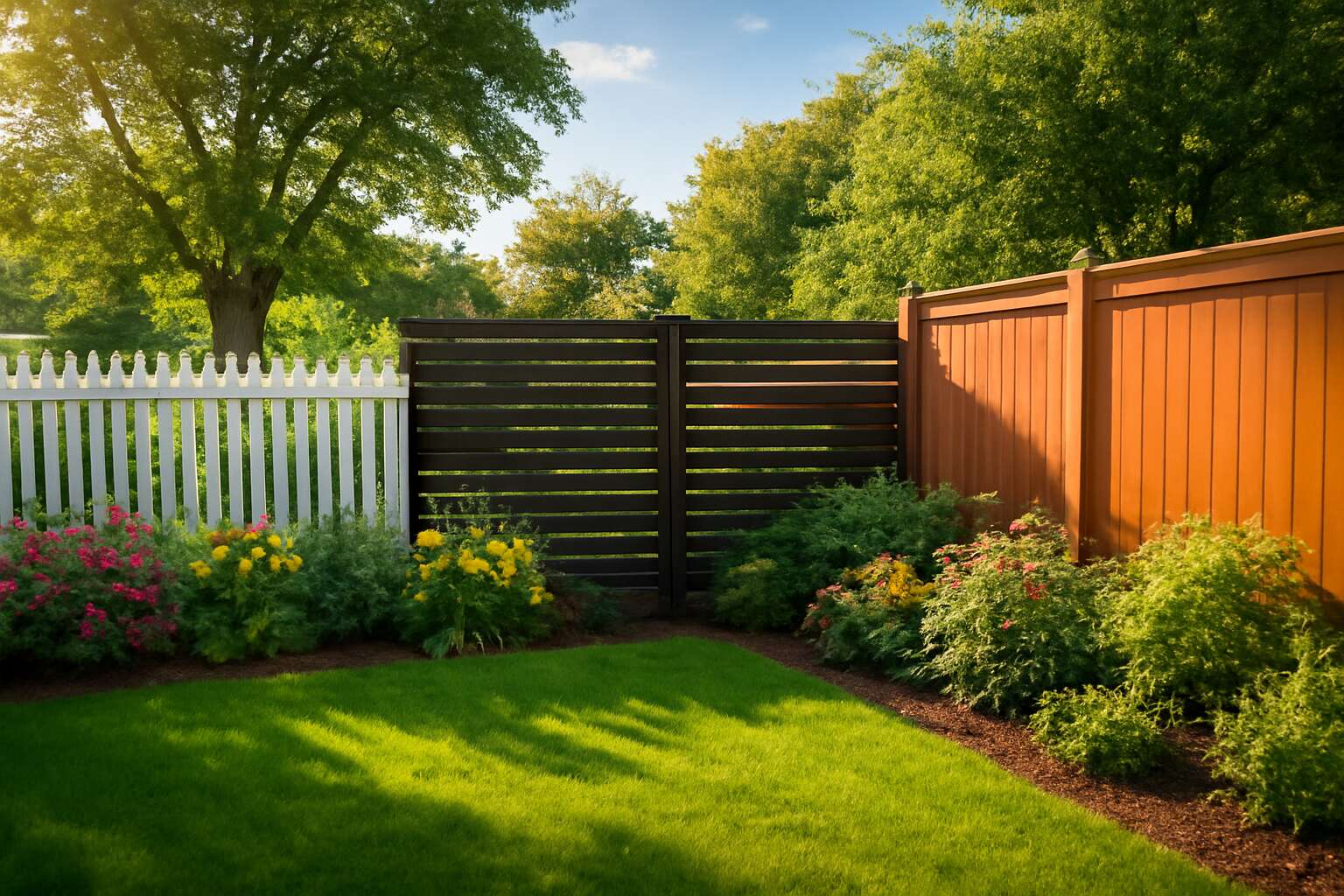
Comprehensive Guide to Fence Styles
Wood Fence Styles
“Good fences make good neighbors,” a line that still rings true across South Africa’s neighborhoods, where boundaries speak without shouting. This Comprehensive Guide to Fence Styles explores wood fence styles, showing how timber, texture, and proportion craft privacy, security, and subtle beauty.
Within wood fence styles, the choice is less about trend and more about function and light. Consider these common configurations:
- Paling fences—slender vertical stakes for classic Afrikaans or township layouts
- Picket fencing—airy panels that frame gardens with a touch of formality
- Board-on-board—overlapping boards for solid security and enduring texture
Beyond appearance, timber age, staining, and maintenance choices alter the mood of a property, turning fences styles into a living feature rather than a static boundary.
Metal Fence Styles
Metal fences carry a quiet magnetism, a staple in South Africa’s evolving streetscapes where security and style share one breath. Metal fences styles have surged in popularity by double digits in the past decade, suggesting timeless geometry can deter threats while elevating curb appeal. Paired with powder-coated finishes or delicate scrollwork, they become a living silhouette—an edge that speaks of control without shouting. I’ve watched them age with grace, catching light and shadow in a way wood seldom does.
Within metal fence configurations, frame and panel shapes tilt the mood from austere to inviting. Here are enduring configurations shaping a property’s aura:
- Wrought-iron lines with subtle scrolls for heritage charm
- Aluminium picket systems offering clean geometry and weather resistance
- Steel panels with decorative cutouts for privacy and drama
These choices offer a dialogue between form and function, waiting in the yard to tell a story as seasons turn.
Vinyl and PVC Fence Styles
Vinyl and PVC fences have joined the chorus of South Africa’s residential palette, turning maintenance into a quiet art. In recent years, fences styles within this category have swung into the public eye with double-digit momentum, proof that durability can wear beauty like a second skin. These polymers resist fade, shrug off rain, and keep a crisp line even as the garden sways—an anthem of calm curb appeal. Clean profiles echo modern clarity while a touch of warmth softens the horizon, inviting rather than shouting.
This duo offers practical flexibility: vinyl for crisp picket lines and private panels; PVC for sturdy rails and lattice accents.
- Picket lines with clean geometry
- Privacy panels balancing seclusion with light
Its language remains durability wrapped in form, speaking in living light.
Composite and Hybrid Fence Styles
Composite and hybrid fences are quietly rewriting the boundary lines across South Africa’s gardens and paddocks. They blend the warmth of timber with the resiliency of modern polymers, shrugging off sun and rain while keeping their colours truer longer. The result is a boundary that feels built to last, yet gentle to the eye.
Within the wider family of fences styles, composite and hybrid options offer design flexibility without surrendering practicality. You can select textures that mimic cedar or oak, adjust profiles from low privacy to airy slats, and enjoy a surface that cleans with a quick wipe.
This chapter in our guide honours the landscape and the livelihoods tied to it, where a fence is more than a boundary—it is a shelter for a dog’s afternoon nap, a climbing vine’s frame, and a neighbourly smile along the hedge-lined street.
Fence Design by Purpose and Climate
In South Africa, a boundary is more than a line; it’s a narrative that frames our days. Fences styles become a dialogue with the sun and the soil, a way to choreograph privacy and openness without shouting. I’ve learned that purpose and climate dictate form—what endures blistering afternoons may not survive a coastal kiss. A boundary is a belief in what comes next.
- Sun exposure and fading resistance
- Wind and impact tolerance
- Termite and moisture risk in coastal or flood-prone zones
Consider the setting—the field, the hedge line, the neighborly street. The right approach blends texture, height, and scale with the landscape, keeping fences styles alive as a companion rather than a barrier. Subtle color retention, low-maintenance surfaces, and a rhythm that echoes local architecture can be more persuasive than grand claims about durability.




0 Comments