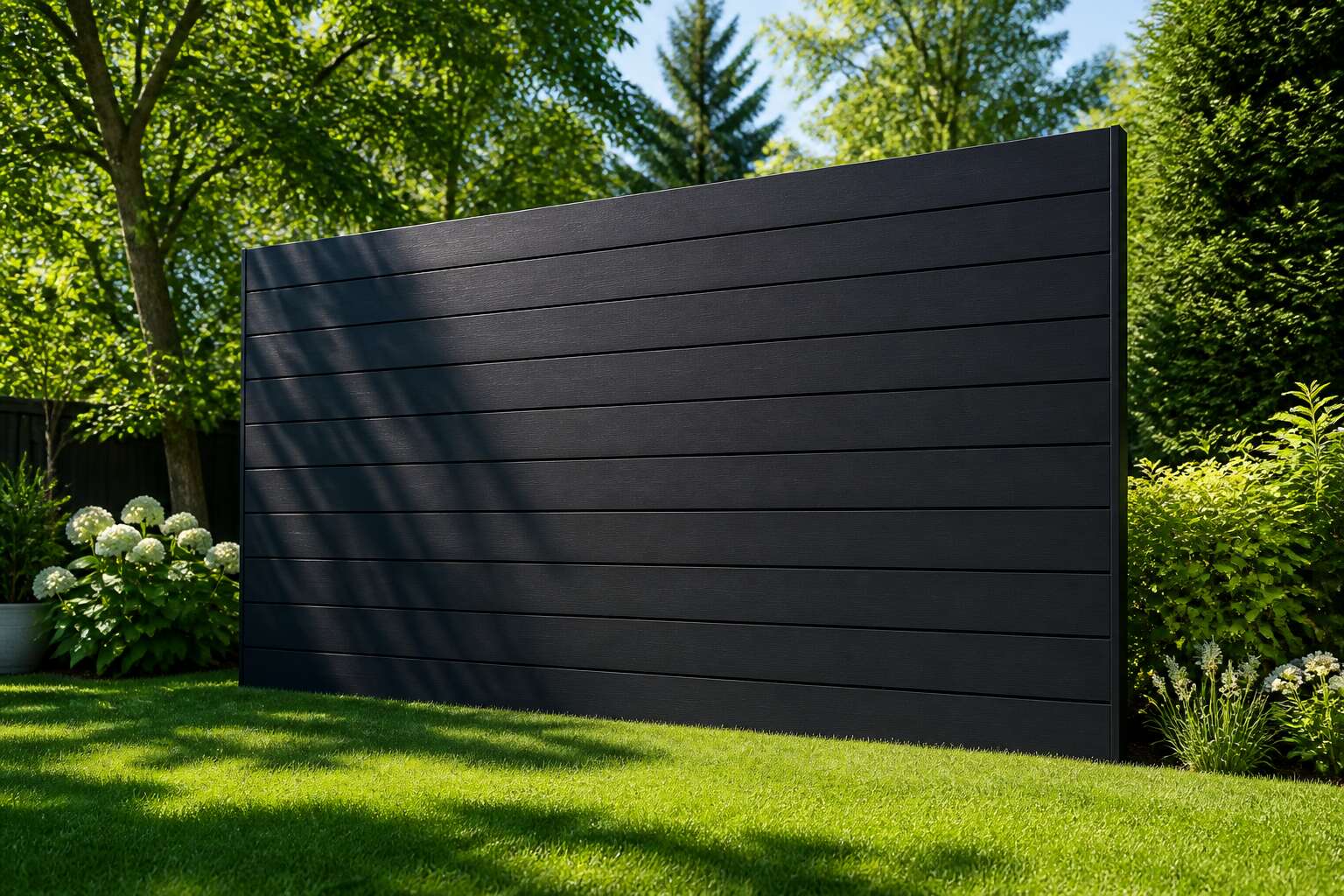
Understanding No-Dig Fencing Options
What Does a Dig-Free Fence Actually Mean?
A dig free fence is a misnomer of sorts. It still needs anchorage, but not a trench. Instead, these systems use ground screws, spike mounts, or surface weights to hold posts firmly. In South Africa’s varied soils, from sandy coasts to clayey highveld, this matters deeply. Consider the options:
- Ground screws twist into earth without excavation, ideal for rocky terrain.
- Spike bases suit temporary setups.
- Concrete blocks or ballast plates offer portable stability.
Each method avoids the disruption of digging, saving time and preserving existing landscaping. They also reduce labour costs dramatically. For urban yards and farm boundaries alike, fences without digging holes have become a practical answer. The term ‘no dig’ simply means no deep excavation, not no effort.
Common Types of Surface-Mounted Fence Systems
A fence is a statement of intent, and in South Africa, that intent often collides with the reality of dolomite or a stubborn rock shelf. Surface-mounted systems bypass the geological lottery entirely. The secret lies in the base hardware, which transfers load horizontally across a broad footprint. This engineering approach is what allows fences without digging holes to be assembled on ground that a trench digger would find decidedly hostile.
These systems are not a monolith. They are a collection of strategies suited to different needs. A ground screw, for instance, is a helical anchor that is rotated into the earth. It creates a deep hold without the mess of spoil heaps. Alternatively, a ballast block system uses the weight of concrete or steel plates to keep posts upright. This is a purely gravitational solution.
The practical difference appears in installation speed. Each method changes the nature of the project.
– Surface weights allow for complete removal and reconfiguration.
– Spike plates are ideal for temporary demarcation.
– Screw piles offer a permanent fix in shallow soil.
Choosing the right one depends on whether your priority is permanence or portability. The absence of deep excavation means drainage patterns remain undisturbed. That single factor makes fences without digging holes a superior option for properties with established root systems or irrigation lines. The ground keeps its structural memory, and you keep your back.
Why Homeowners Are Switching to No-Dig Solutions
Soil in South Africa holds its history. A property east of Pretoria still shows the settlement lines from a fence installed in 1987. Digging again only adds to the damage. That is why homeowners are switching to no-dig solutions with increasing urgency.
The appeal is not laziness. It is the quiet certainty that the ground beneath your feet should not be torn open every time a boundary needs defining. Fences without digging holes change the relationship between property and terrain entirely.
- Root systems of established trees stay untouched.
- Buried irrigation lines remain in place.
- The water table never feels the disturbance.
Homeowners in coastal and inland regions alike are recognising this. Fences without digging holes deliver permanence without the excavation, and that is a trade worth making.
Ground Spikes and Anchor Systems
How Ground Spikes Replace Traditional Post Holes
South African soil is rarely cooperative. Clay expands, sand shifts, and a traditional post hole becomes a prolonged excavation. For fences without digging holes, ground spikes and anchor systems bypass that process. A steel spike is driven into the ground, or a helical anchor is twisted into the earth. The post locks into a bracket above the surface. The spike transfers lateral force deep into the soil, so the fence resists wind without a concrete collar.
Two mechanisms dominate:
- Drive-in spikes, seated with a sledgehammer or a power driver.
- Helical anchors, rotated with a torque bar.
Both keep the post base elevated, preventing rot and termite intrusion. For fences without digging holes, these systems cut installation time. I have seen contractors abandon the mixers once they try this method! You can reposition a boundary in an afternoon. The same anchor secures a gate post and a perimeter on rocky Highveld ground.
Selecting the Right Spike Material for Your Soil
When you plant a fence without digging holes, the spike carries the load. But not all steel greets the ground as an equal. Mild steel surrenders to acidic soil within a few seasons, rusting quietly beneath your gate. For the wet, saline air of the Cape coast, choose a hot-dip galvanized shank, or spend more on stainless if the budget allows. On the Highveld’s rocky terrain, the spike takes physical punishment, so hardened boron steel resists bending when you drive it through gravel. Here is the rule I apply:
- Galvanized spikes for clay and loam that hold moisture.
- Stainless spikes for sandy coastal soil and heavy salt.
- Hardened steel for rocky ground where the driving force is brutal.
That selection has kept my own fences without digging holes standing through summer storms. The material, more than the anchor style, decides how long the line holds.
Step-by-Step Guide to Installing Spike Anchors
For fences without digging holes, the installation sequence determines whether the structure settles or stays true. Mark the run with a string line, then position each spike anchor at the exact post centres. A steel driving rod and sledge do the work, not concrete.
Work the spike into the ground with steady blows, checking plumb after every few strikes. The socket must sit level before you move on. Once all anchors are driven, insert the posts and lock the set screws.
The order of operations matters:
– Drive the corner anchors first
– Run guide strings between them
– Set the line posts to the string
– Fix every post before final tamping
For fences without digging holes, the anchor is only as good as its alignment during installation. A spike driven crooked stays crooked, and fixing it means pulling the post and starting over. Check alignment twice before driving home each anchor.
Best Use Cases and Known Limitations
Ground spikes are a practical method for fences without digging holes, but they suit specific conditions. They perform best in firm, clay-heavy soil. They also work well on rental properties or temporary enclosures where the installer wants a reversible solution. In South Africa’s drier regions, compact ground lets these anchors bite deep without heavy equipment.
The limitations show up quickly in the wrong environment. Loose coastal sand reduces holding power dramatically. A solid windbreak fence in the Cape South Easter will test any anchor system, especially when the fence stands over 1.8 metres. Steep slopes also cause problems, since a spike driven on an angle stays crooked.
Good use cases include:
– Firm soil with low rainfall
– Light to medium fence loads
– Temporary or relocatable fencing
– Narrow urban spaces without machine access
These anchors are not a universal fix. They suit fences without digging holes only where the ground holds its shape and the wind stays moderate. Deep sand, flood-prone areas, and heavy gate posts all demand a different approach.
Screw Piles and Helical Anchors
The Engineering Behind Screw Piles
Screw piles are not new, but their application in residential fencing has grown. A helical anchor uses a steel shaft with spiral plates. Those plates rotate into the earth like a corkscrew, but with far more precision. Each turn is calculated for torque, which correlates directly with load capacity. That means the ground itself becomes the foundation, not a block of concrete.
For homeowners seeking fences without digging holes, this engineering offers a distinct advantage. The installation compacts the surrounding soil, creating a dense bearing surface.
Here are three elements that define structural integrity:
- A helical plate’s diameter determines how much weight it can hold.
- The depth of installation shifts the load away from frost lines.
- Torque readings during installation provide real-time validation.
This method works across varying South African terrains, from sandy coastal areas to dense inland clay. The result is a fence that stands firm, anchored by science rather than brute labor.
Screw Piles vs. Concrete Footings: A Comparison
Concrete footings demand excavation, curing time, and spoil removal. Screw piles bypass those labours entirely. For fences without digging holes, the helical anchor replaces wet concrete with calibrated torque. A concrete base relies on mass. A screw pile relies on engagement with undisturbed strata. Here is the practical difference we see on site:
- Concrete footings require 7 to 14 days to cure before fence posts bear load.
- Screw piles accept full load immediately after installation.
- Concrete volume shifts with soil conditions; screw pile depth adjusts to match them.
That immediacy matters on uneven South African plots where a weekend project cannot linger. Concrete introduces water into the ground, which can soften surrounding clay. A screw pile leaves the moisture profile undisturbed. The cost comparison extends beyond materials. It includes transport, digging equipment, and disposal of excavated earth. For fencing contractors, the screw pile reduces site disruption and leaves no concrete residue behind. When you measure labour against longevity, fences without digging holes hold a clear advantage on difficult terrain.
Essential Tools for Manual Screw Pile Installation
One labourer and a torque bar can seat a screw pile to design depth in under ten minutes. The helical anchor’s buried plate, pitched at ten degrees, turns each rotation into downward pull. Manual installation needs no engine. It needs a lever arm long enough to overcome the ground’s resistance, and patience.
The essential toolset for fences without digging holes stays small. A torque head, extension handles, and a clearance bar. Many contractors carry these in a bakkie’s load bed. That portability limits site disruption and makes remote plots practical. The mechanics reward steady rhythm, not brute force.
Consider the kit that arrives on site for manual screw pile work:
- A torque bar with a universal chuck
- Extension handles for the lever arm
- A sighting level to check plumb
- A rock bar to clear surface stones
Installing Helical Anchors Without Heavy Machinery
The quiet revolution in fencing is a torque wrench turning. Installing helical anchors without heavy machinery is a study in leverage, where one person’s measured effort replaces an auger’s roar. In South African soils, from Karoo gravel to coastal sand, the helical plate finds grip through rotation alone.
Each turn is deliberate. The anchor’s pitch meets the soil’s resistance, and the labourer feels progress in the handle. There is no diesel, no hydraulic pump, no crew of three. Just a bar, a level, and the ground’s response.
Consider the sequence:
- Set the anchor plumb.
- Turn the bar clockwise with steady pressure.
- Check the torque as the plate advances.
This method keeps fences without digging holes practical, because the ground is never excavated, only displaced. The result is a fence that rests on the soil it was placed into.
Assessing When Screw Piles Are the Right Choice
Selecting screw piles demands a hard look at soil behaviour. In South Africa, the real difference lies between compressive strength and shear resistance. For fences without digging holes, screw piles become necessary when the ground refuses simple spikes.
I have watched installers struggle with pact sand, only to switch to a helical anchor and finish in minutes. The question is not preference. It is capacity.
- Is the soil loose and prone to shifting?
- Does the fence carry a gate or wind load?
- Is the site inaccessible to a post hole digger?
These conditions point to screw piles. They transfer load deeper, where the soil’s friction does the work. Choose them when surface anchors stop being practical!
Surface-Mounted Posts and Brackets
Post Base Brackets for Concrete and Paver Surfaces
Concrete surfaces call for a different kind of anchor. Instead of breaking ground, post base brackets fix directly to the slab using expansion bolts or chemical anchors. These brackets hold the post above the concrete, which keeps timber dry and prevents rot. This method works well for patios, walkways, and existing paved yards, offering a sturdy route to fences without digging holes.
Paver surfaces are trickier because individual blocks shift under load. A wide surface-mounted post base spreads the weight across several pavers, reducing pressure on any single unit. Some brackets use adhesive or short screws into the paver, while others rely on a rubber shim to absorb movement. You should also check that the pavers are level and well compacted before installation.
- Expansion bolts suit solid concrete slabs
- Adhesive bases work on interlocking pavers
- Spacers help when paver heights vary
No excavation means the ground beneath stays intact. That preserves drainage and makes removal possible later. The main requirement is a flat, stable surface to receive the bracket, so preparation is minimal but still essential.
Adjustable Brackets to Handle Uneven Terrain
Few homeowners expect their yard to be perfectly level, but most fence guides assume it is. Adjustable brackets fix that gap for fences without digging holes, letting posts sit plumb on slopes or rocky patches where a standard base would tilt. These systems use threaded rods or sliding plates to correct height differences of several centimeters, a real advantage in South African gardens where old foundations and dolerite outcrops create uneven ground.
When mounting a post on sloping terrain, the bracket must transfer load from timber to surface while resisting sideways pull. Quality models include locking nuts and corrosion resistant steel, since coastal air and Highveld frost demand durability. Some offer lateral adjustment too, which helps when your initial markings missed the exact position.
Because these brackets need no excavation, the soil stays intact and drainage remains predictable. That makes them a practical path to fences without digging holes, even on tilted ground. Always verify the adjustment range before purchase, as overstretching a bracket compromises its strength.
Attaching Fence Posts to Existing Decks or Walls
A boundary wall or existing deck can carry a fence without excavation. Surface-mounted posts use steel brackets fixed directly to the structure, transferring load to the wall’s foundation or the deck’s joists. This approach suits courtyards where soil access is limited, and it fits neatly into the broader category of fences without digging holes.
I have fitted these brackets against dolerite outcrops where digging was simply impossible. The fixings matter more than the bracket itself. Use expansion anchors for masonry, and coach screws into the timber frame, never the deck boards.
- Confirm the wall is load-bearing before drilling
- Space brackets at 600mm intervals for tall fences
- Seal the post base to prevent moisture trapping
Prefabricated and Temporary Fencing Solutions
Portable Fence Panels for Quick Enclosures
Imagine needing a secure perimeter by lunchtime. Prefabricated and temporary fencing solutions make that possible, using portable fence panels that simply stand on their own feet. These systems deliver fences without digging holes, which is their entire appeal.
The panels connect with interlocking pins and stabilisers, so setup takes minutes. They suit events, construction sites, or crowd control. Consider typical uses:
- Festival vendor areas needing instant boundaries
- Roadworks zones where permanent posts are impossible
- Property lines during renovations
Each panel distributes its weight across a broad base, so unstable soil rarely matters. This makes them radically different from fixed installations, yet still reliable for temporary claims on space.
Freestanding Panels: What Keeps Them Stable?
A freestanding panel’s stability is a study in quiet physics. The base, often a steel foot or ballast block, converts the panel’s mass into downward pressure. This matters on windy Highveld afternoons, where a light panel becomes a sail.
Three factors keep these fences without digging holes upright. Base footprint width resists tipping torque. Friction pads or rubber feet grip paved or dusty surfaces. Interlocking brackets distribute sway across adjacent panels.
Weight is the silent partner. Panels with hollow frames feel portable, but their stability demands solid ballast, often sandbags or concrete blocks slotted into the base. On uneven ground, adjustable feet level the panel without a single spade. The result is a perimeter that respects both gravity and your schedule.
Weighted Bases for Temporary Fence Supports
Time is the enemy of most fencing projects, and prefabricated systems were designed to defeat that enemy. These units arrive with the base already integrated, typically a hollow polymer foot that you fill with water or sand once the panel stands upright. The weight travels with you, not in a truck. You lift an empty shell, position it, and then add the ballast. A forty kilogram fill in each base transforms a light panel into a substantial barrier.
Weighted bases for temporary fence supports work best where soil is hostile or protected. Reclaimed land, heritage sites, and paved event spaces all fit this brief. The bases transfer lateral force directly through friction and gravity.
- No soil disturbance means zero rehabilitation costs.
- Relocation takes minutes, not hours.
- Storage stays compact because bases empty down to flat panels.
This is how fences without digging holes deliver security on a deadline, whether the enclosure lasts a single day or an entire season.
Hybrid Systems That Combine No-Dig and Traditional Posts
On a Karoo farm, the ground is hard and rocky, so a traditional post hole becomes a lengthy struggle. Hybrid systems offer a pragmatic middle path. They pair a screw pile or ground spike with a removable timber post, letting the permanent anchor hold the line while the post itself trades places when seasons demand.
- Reduced concrete use on rocky terrain
- Simplified replacement of weathered posts
- Stable corners where surface mounts would falter
These fences without digging holes still speak the old language of tension and strain, but the hybrid method respects both time and toil. For landowners moving cattle across the Free State, this blend cuts hours from setup without sacrificing the rigidity that a driven post once provided.
Maintenance Tips to Prolong the Life of No-Dig Fences
Prefabricated fence panels save hours on installation, but they shift the labour to upkeep. On a recent site visit, I found a temporary enclosure leaning because one ground spike had rotated thirty degrees during a storm. The owner had never checked the anchor torque. Fences without digging holes demand a simple ritual, not a licence to forget them.
For temporary setups, inspect the joints before every relocation. Look for elongated bolt holes and deformed brackets. Those parts wear out quietly. Replace grommets when they lose elasticity. Keep a small stock of fasteners in the bakkie, because a missing bolt in the veld becomes a structural risk by sunset.
- Retighten all connectors after heavy rain.
- Clean debris from the bases.
- Lubricate sliding locks with silicone.
No-dig fences last longer when you give them twenty minutes per month.
Cost and Durability: No-Dig vs. Conventional Digging
The cost argument for fences without digging holes often collapses under one misconception: surface mounted systems are always cheaper. With prefabricated panels, the price shifts from excavation to hardware. Ground spikes or screw piles cost more per linear meter than a bag of concrete, but you are paying for time. A conventional dig on hard South African soil can consume a full day. A spike anchor takes minutes.
Durability changes the calculation. A concreted post resists frost heave and erosion better than any surface bracket. In sandy coastal soils, concrete can crack from salt corrosion while galvanised spikes hold firm.
Here is what the price difference actually covers:
- Labour hours saved on installation
- Reusability of panels and anchors
- Removal costs when the fence outlives its purpose
Fences without digging holes win on flexibility. Conventional digging wins on permanence. Choose accordingly.



0 Comments