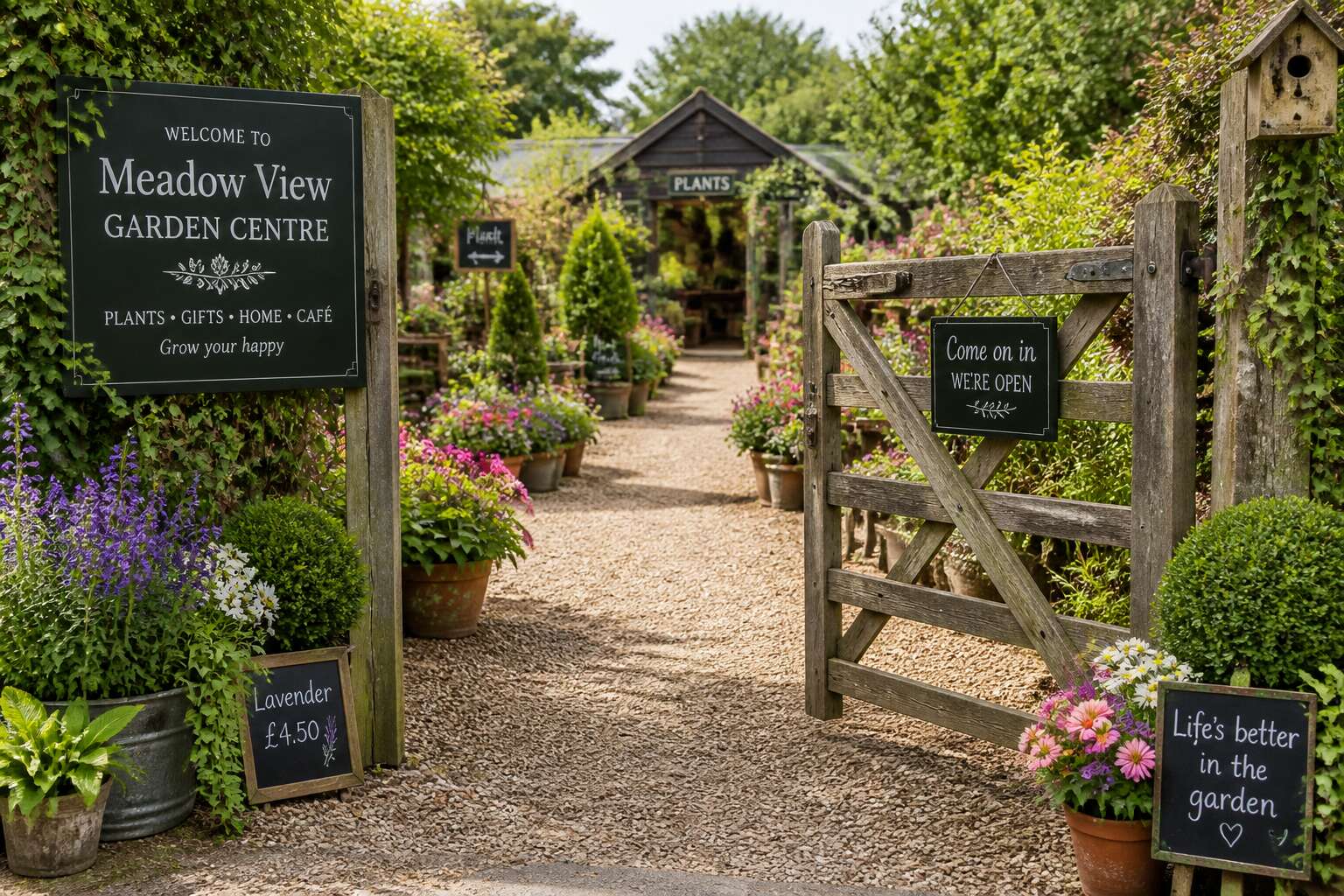
Entrance Design and Curb Appeal
Blending Rustic Charm with Modern Functionality
A visitor decides within seconds whether to enter. We watched this happen at our own farm shop gates garden centre. The hesitation tells us where we fail. A smooth approach invites. A clumsy one sends people back to the road.
Rustic charm uses timber and raw stone. These materials feel honest and familiar. Modern gates at a farm shop gates garden centre demand precise engineering. They must open fast, close securely, and handle constant use. We combine both by mounting rustic cladding on a galvanised steel frame. That way, the visual warmth remains while the mechanics stay reliable.
Certain elements pull double duty:
- Pressure sensors stop the gate for lingering children or animals.
- Solar motors keep working through load shedding.
- Wide clearances let bakkies and tractors pass freely.
These details blend into the design. Visitors see charm. Owners get function. That is curb appeal with substance!
Choosing the Right Gate Styles for Rural Aesthetics
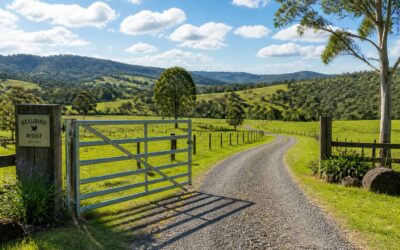
The entrance to a farm shop gates garden centre is a threshold. It separates the road from the retail experience, and the choice of gate style shapes what visitors feel before they park. Rural aesthetics demand honesty. I have seen gates that cost a fortune yet feel like a barricade. The problem is not expense. It is intention.
Consider the physical language of each style:
- Horizontal timber slat gates suit open landscapes, their clean lines echoing fence lines.
- Steel tube gates with mesh inserts offer visibility while keeping livestock secure.
- Cantilever sliding gates handle uneven ground without the drama of swinging arcs.
Visitors read the gate as a signal of what the farm stand represents. A farm shop gates garden centre with mismatched hardware or a flimsy barrier loses credibility. The gate should register as part of the land, not an imposition on it.
Materials that Withstand Weather and Daily Use
A single rusted hinge can undo a season of goodwill. At the farm shop gates garden centre, the entrance must feel solid. I have watched visitors hesitate at a sagging gate, reading it as a sign of neglect inside the shop. The solution begins with materials that withstand the Cape’s sun and the Highveld’s storms.
- Hot dipped galvanised steel for frames that resist corrosion.
- Treated pine or oak for natural warmth without quick decay.
- Heavy duty stainless steel hinges and latches for daily use.
Curb appeal rests on proportions and sightlines. A wide, clear path to the gate signals welcome. The gate should frame the view of the produce, not hide it. Choose powder coated finishes over paint, as they hold colour under UV light. Concrete or gravel surfaces prevent mud from dragging into the retail area. Simple choices, but they keep the entrance honest.
Security and Access Control
Balancing Openness with Theft Prevention
A farm shop gate needs to let people in and keep thieves out. That is the balance. The farm shop gates garden centre entrance should create a pause, not a stop. A latch that clicks loudly announces entry. Sightlines from the till to the gate help staff monitor without hovering. Customers appreciate the openness; the casual lift-and-run merchant appreciates a loud click.
Consider these features:
– A gate that swings inward forces a moment of hesitation
– A bell on the hinge alerts staff without alarming guests
– Discreet motion sensors cover blind spots
In South Africa, load shedding complicates automated gates. A manual override keeps things moving during power cuts.
Gate Automation Options for High-Traffic Areas
A busy Saturday at the farm shop gates garden centre is a test of patience. High-traffic entry points demand automation that moves people quickly, but South Africa’s load shedding forces honest planning. Solar-powered actuators and deep-cycle batteries keep gates alive during outages. I have seen managers choose sliding gates for narrow driveways, but swinging gates often suit wide entrances better.
- Dual-swing motors with manual release handles for power failures
- Induction loops that detect waiting vehicles, not stray animals
- Proximity tags for regular suppliers and staff
These options reduce bottlenecks without turning the entrance into a fortress. A well-designed automation system reads traffic flow; it does not fight it. The entrance should welcome every bakkie and bicycle, while keeping the gate closure firm after hours. Balance remains achievable through thoughtful tech!
Integrating Entry Systems with Farm Shop Operations
The average farm shop gate opens four hundred times a day, and each opening is a security decision. At our farm shop gates garden centre, access control integrates directly with the counter and the stockroom. A supplier’s proximity tag unlocks the delivery gate only during their booked window. Staff fobs record arrival times and restrict which storerooms open after dark. Customers receive a scannable code at the till that activates the exit lane once.
I link gate logs to the point-of-sale system. If a bag of feed leaves without a receipt, the gate camera settles the question. This integration does not slow the morning rush. It makes every movement traceable, from the first bakkie to the last bicycle! Security becomes a simple record, not a padlock.
Managing Deliveries and Emergency Access
A delivery driver spent twenty minutes arguing with a gate that refused to open. He lost. At our farm shop gates garden centre, deliveries run on booked windows. Each supplier gets a one-day code tied to their vehicle. The gate unlocks once, then stays shut. No code, no entry.
Emergency access takes a different route. We bolt a manual release lever inside every gate, painted red and tested weekly. Fire trucks and ambulances do not have time for app permissions. A single pull drops the arm.
Manage by access type:
- Courier vans by plate number, 9am to 11am.
- Feed trucks with a weighbridge code for rear access.
- Emergency responders with a breakaway chain.
The system keeps chaos out and keeps the farm shop gates garden centre running without a padlock argument.
Garden Centre Layout and Customer Flow
Zoning for Plants, Tools, and Produce
A garden centre is the only retail space where customers expect to lose track of time. Yet most layouts fight this behaviour, funnelling everyone down identical paths. The farm shop gates garden centre in South Africa can read the local pattern instead. Weekend crowds move fast, focused on produce and mulch. Weekday visitors linger over seedlings and pots. One layout must serve both.
The zoning logic starts with transaction speed. Produce, eggs and pantry staples belong within the first few metres of the entrance. These are grab-and-go purchases. Tools, irrigation fittings and fencing materials sit further back, where customers need to compare weights and handles. Plants occupy the middle ground, arranged so that a slow browse does not block a quick exit.
- Produce and preserves near the entry till for speedy purchases
- Display beds and seasonal plants across the central courtyard
- Tools, hardware and bulk supplies along the rear shed line
The farm shop gates garden centre can further separate these zones with changes in surface material, a gravel path for plants and a concrete floor for hardware. Clear sightlines keep the space feeling open. Staff move between zones with purpose, answering a question about tomato feed without abandoning the pot display. That division of flow is what turns a crowded Saturday morning into something manageable.
Navigating Foot Traffic Around Gate Entrances
The gate entrance is where a Saturday crowd makes its first decision. At the farm shop gates garden centre, that decision happens in under ten seconds. If the entry is too narrow, customers bunch up. If it is too wide, they scatter in every direction.
One effective approach is a gentle funnel that guides foot traffic past the till area while leaving enough room for trolleys. The surface should stay firm, no loose gravel that catches wheels. Consider these elements:
- A clear sightline from gate to the produce zone
- A one-way flow for peak hours
- Space for customers to pause without blocking arrivals
Gate placement matters more than gate size. A single wide gate works better for the farm shop gates garden centre than two narrow ones, because it allows natural weaving.
Vehicle Access for Loading and Trolleys
Most visitors to a farm shop gates garden centre arrive with wheels, whether a bakkie, a trailer, or a garden trolley. That reality shapes the entire layout beyond the entrance. We learned early on that vehicle access cannot be an afterthought. The space between the main footpaths and the loading zone requires a clear, deliberate transition.
A dedicated bay for loading and unloading, set apart from the display aisles, prevents the chaos of reversing vehicles near fragile stock. We plan that bay with a concrete apron and a gentle slope for easy movement. The paths leading to it remain wide enough for a full trolley to pass a customer walking the opposite way without forcing anyone onto the grass.
However, the placement of trolley corrals is just as important as the vehicle space itself.
I have seen a well designed collection point near the gate do more for customer satisfaction than any signage. It allows people to load their purchases without rushing, while the next visitor finds a clear route to the exit. The result is a steady rhythm of departures and arrivals that keeps the farm shop gates garden centre feeling orderly, even on the busiest Saturday mornings. It also spares our team from retrieving stray trolleys from the far corners of the property.
Seasonal Adjustments to Gate Configurations
The drift of customers through a farm shop gates garden centre follows the turning of light. In summer, the wide central aisle pulls browsers toward the shaded nursery. By winter, that same aisle exposes visitors to the wind, so we narrow the flow with portable barriers. The placement of seasonal stock, from spring bulbs to winter feed, dictates where feet pause. We adjust the gate configurations based on the habits of shadow and sun.
- Autumn: main gate opens fully, with a pedestrian gap.
- Winter: gate closes to one lane.
- Spring: both sides open wide.
- Summer: gate stays ajar.
These shifts in the farm shop gates garden centre alter queue speed. When the gate narrows, people move slower, browsing more. When it widens, they pass through with purpose. The layout must respond to the season, or the flow congests.
Practical Considerations for Rural Businesses
Compliance with Rural Planning Regulations
The most overlooked part of your farm shop gates garden centre could be the one that creates the biggest delays. Rural planning regulations in South Africa operate on layers of municipal, provincial, and sometimes environmental mandates. A gate system that functions beautifully could still fail an inspection if your signage exceeds size limits or your entrance crosses a servitude. I’ve seen owners discover these issues only after installation.
To keep your project moving, gather these documents before you build:
- Land use rights confirmation from your local authority.
- Building plan approval for permanent gate pillars.
- Environmental screening if you are near wetlands or protected areas.
- An access road permit for any new driveway.
Each requirement shapes how your entrance takes form. A planner who understands rural nuance can turn these constraints into design choices. Reviewing your compliance early means you spend less time on paperwork and more time arranging produce trolleys or greeting customers.
Maintaining Gates for Longevity and Safety
There is a special ruin in a gate that refuses to move on Saturday morning. The farm shop gates garden centre is busy with trolleys, yet the entrance stays stubbornly shut. Rural conditions accelerate decay. Dust packs into hinges, moisture works into chains, and veld grass tangles around wheels.
Prevention is simpler than rescue. Once a week, walk the full sweep of the gate with a spanner in hand. Check for loose bolts, sagging drop rods, and uneven wheel wear. Grease moving parts monthly, and more often during harvest. Test safety sensors after thunderstorms, as lightning strikes are notorious for damaging control boards.
- Inspect wheel tracks for warping or debris.
- Confirm that emergency release mechanisms move freely.
- Lubricate chains, gears, and padlocks.
This routine is not glamorous, but it is cheaper than a tow truck and a long queue of irritated customers.
Cost-Effective Gate Solutions without Sacrificing Quality
For a rural business, the gate budget reflects priorities. A farm shop gates garden centre operation needs an entrance that works, not one that impresses. The most cost-effective approach is to match the gate specification to actual daily use.
Consider the traffic pattern before the price tag. In my experience, a manual gate with a well designed wheel track costs a fraction of an automated system and serves a low traffic operation perfectly. That saved money can go toward a better chain or a secure lock. A farm shop gates garden centre with seasonal peaks might prefer a hybrid system: manual during quiet weeks, motorised for the weekend rush.
These measures hold up in practice:
- Galvanised steel frame instead of stainless.
- A simpler sliding mechanism with fewer moving parts.
- Local fabrication rather than imported units.
Each choice reduces upfront cost without shortening lifespan, provided the installation is done correctly. The real expense appears later through repairs and downtime when the initial workmanship was rushed.
Working with Local Suppliers for Custom Fabrication
Steel is cheap. Fitting it correctly is not. I have watched too many gates sag because the hinge spacing was guessed, not measured. A fabricator from the next dorp will drive out, walk the site, and see the mud your tractor brings in. That visit is worth more than any warranty.
Working with a local supplier means the gate is built for your ground, not for a catalogue. They know the afternoon wind, the slope towards the road, the turning circle of your 4×4. For a farm shop gates garden centre, that local knowledge shapes everything from hinge placement to latch height.
- A workshop without its own galvanising bath sends steel elsewhere for dipping.
- Weld quality reveals itself in the first rainy season.
- Delivery and installation are often afterthoughts in a rural quote.
If a hinge fails in December, a local supplier fixes it the same week. An imported unit waits on a container. For a rural business, that is the entire difference.
Case Studies from Successful Farm Shops
On the Mpumalanga highveld, one farm shop gates garden centre discovered that a single narrow entrance created a bottleneck during the Saturday rush. They installed a secondary pedestrian gate, which cost less than a new till system.
Case studies from successful farm shops show a pattern:
- Main gates fully opened before peak hours.
- Latch mechanisms placed beyond children’s reach.
- Gate swings set against the prevailing wind.
A Winelands operation uses a double-gated holding area. Delivery trucks wait inside while the inner gate stays locked. Staff check the load, then open the second gate. This rhythm prevents theft and keeps the shop floor safe for customers.



0 Comments