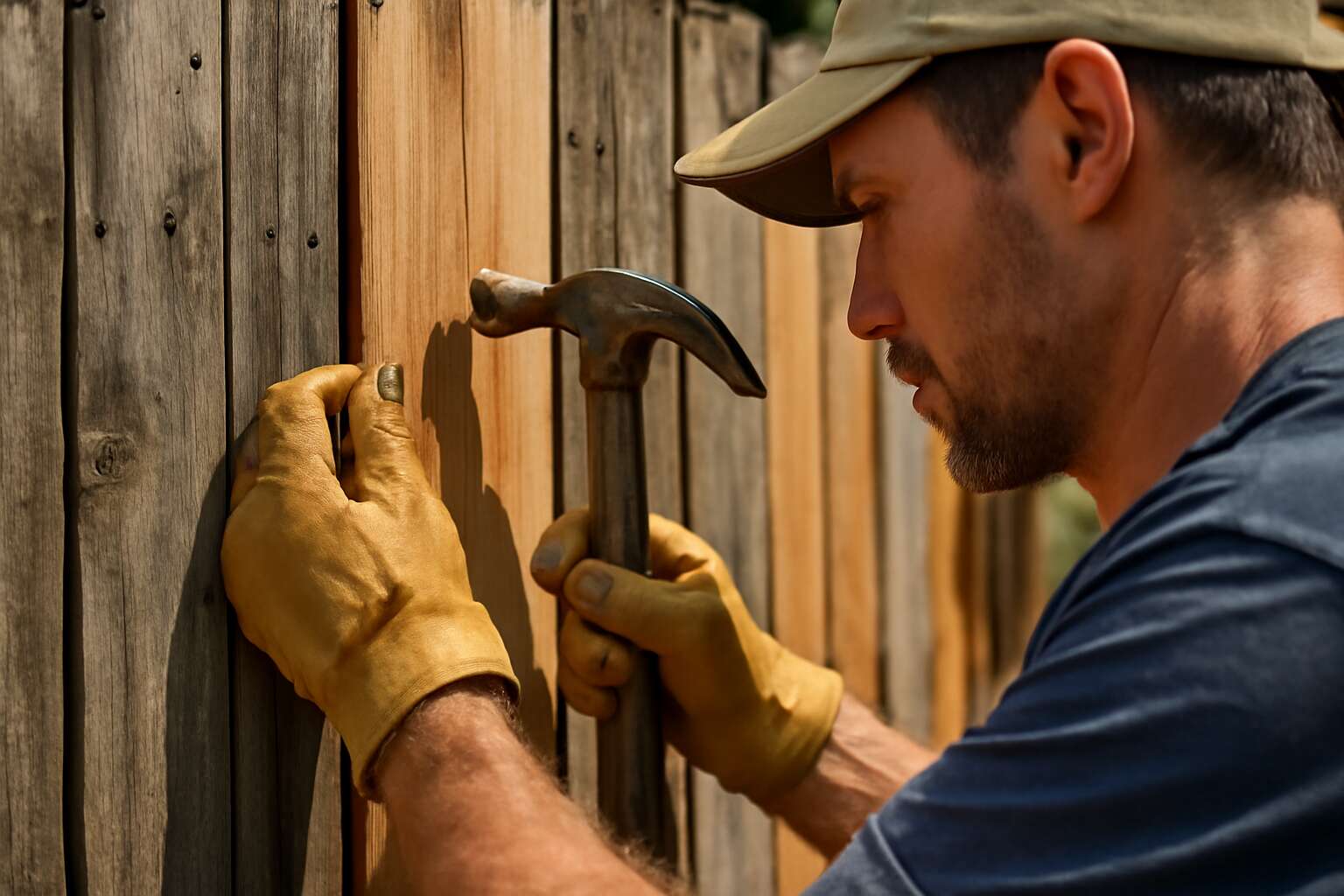
Understanding Fence Repair
What Causes Fence Damage – Identify common reasons for fence deterioration such as weather, pests, and aging
Fences are more than mere boundaries; they are silent sentinels guarding our homes and memories. Yet, their resilience is often tested by the relentless passage of time and nature’s unpredictable temperament. Understanding what causes fence damage is crucial for anyone considering fences repair, as it reveals the subtle forces working against these structures.
Weather, for instance, plays a formidable role. Heavy rain, fierce winds, and the scorching sun can weaken materials, causing warping, cracking, or rotting. Pests, like termites and wood-boring insects, silently gnaw away at the integrity of wooden fences, turning sturdy structures into fragile relics. Age is perhaps the most insidious adversary, as even the most well-maintained fences succumb gradually to the natural wear and tear of years gone by.
- Extreme weather conditions
- Pest infestation
- Natural ageing process
By recognising these common reasons for fence deterioration, property owners can better appreciate the importance of timely fences repair — maintaining not just the aesthetic charm but also the safety and privacy that a well-preserved fence provides. Such awareness transforms routine repairs into acts of preservation, safeguarding the legacy of your property for generations to come.
Types of Fences and Their Repair Needs – Different repair approaches for wood, vinyl, chain-link, and wrought iron fences
Understanding the nuances of fences repair begins with recognising the distinct needs of various fencing materials. Each type tells a unique story—be it the timeless charm of wood, the sleek modernity of vinyl, the utilitarian strength of chain-link, or the ornate elegance of wrought iron.
Wooden fences, for instance, often require attention to warping, rotting, or loose panels, especially after harsh weather. Vinyl fences, celebrated for their durability, may still crack or discolour over time, necessitating specialised repairs to restore their pristine appearance. Chain-link fences are susceptible to rust and sagging, demanding reinforcement or replacement of damaged links. Wrought iron fences, with their intricate designs, can develop rust spots or structural weaknesses, calling for meticulous restoration to preserve their grandeur.
In the realm of fences repair, recognising these material-specific vulnerabilities ensures that each repair not only restores function but also honours the aesthetic and historical value of the fence. It’s a delicate dance—balancing preservation with practicality—that transforms routine maintenance into an act of enduring elegance.
Signs Your Fence Needs Repair
Visible Damage Indicators – Broken panels, leaning posts, rust, and cracks
Fences are more than just boundaries; they’re the first line of defence for your property. Over time, visible signs of wear and tear can compromise their integrity. One clear indicator that you need fences repair is broken panels. These gaps not only look unsightly but also leave your yard vulnerable. Similarly, leaning posts suggest foundational weakness, often caused by soil erosion or weather damage.
Rust and cracks are other telling signs. Rust on metal fences weakens the structure, making it prone to further damage. Cracks in wooden or vinyl fences can spread quickly, especially after heavy rain or frost. Keeping an eye out for these issues can save you money and hassle in the long run. If neglected, these problems tend to escalate, leading to costly repairs or complete replacement.
Recognising these damage indicators early is crucial. Regular inspections can highlight issues such as:
- Broken or missing panels
- Leaning or unstable posts
- Rust patches or corrosion spots
- Visible cracks or splintering
Addressing these signs promptly ensures your fences repair needs are manageable, maintaining the safety and aesthetic appeal of your property — before small issues become major headaches.
Structural Concerns – Instability, sagging, or foundation issues
When a fence begins to sway or lean, it whispers secrets of deeper unrest—foundational issues that threaten its very existence. Structural concerns are often subtle at first, manifesting as instability or sagging, but they carry the weight of potential disaster if ignored. These signs are not merely cosmetic; they threaten the safety and security of your property. Recognising the warning signs—such as a fence that no longer stands firm or shows signs of leaning—can be the difference between a simple repair and a costly overhaul.
In some cases, the problem lies beneath the surface, rooted in foundation issues that compromise the entire structure. These can be caused by soil erosion, water damage, or age-related deterioration. A fence that begins to sway or exhibits uneven height may be an indication that it has lost its anchoring stability. Addressing these concerns early through professional fences repair ensures that your boundary remains resilient and steadfast.
Security and Privacy Issues – Gaps, sagging, or compromised fencing integrity
Few sights are as disconcerting as a fence that no longer whispers of boundary and privacy, but instead shouts of compromise. When gaps appear where there should be seamless protection, or a fence begins to sag like a tired old soldier, it’s a clear sign that fences repair is overdue. Such issues not only mar the aesthetic appeal but also jeopardise your security and privacy—two commodities no homeowner can afford to neglect.
Uneven or loose panels can be more than just an eyesore; they may indicate underlying structural fragility. It’s not merely about fixing a broken board but recognising that the integrity of your entire boundary might be at stake. A sagging fence, for instance, might be a subtle prelude to a more significant failure, especially if left unattended. Addressing these warning signs promptly with professional fences repair preserves the sanctity of your property and prevents minor inconveniences from blossoming into costly dilemmas.
DIY Fence Repair Tips
Tools and Materials Needed – Essential equipment and supplies for common repairs
Embarking on fences repair can feel like stepping into a world of possibilities, where the right tools transform a daunting task into an engaging adventure. To ensure your repair journey is successful, gathering essential equipment and supplies is paramount. A sturdy hammer, a set of screwdrivers, and a power drill are indispensable for most repairs, whether you’re fixing loose panels or replacing broken posts. Additionally, a saw—manual or electric—helps you trim or reshape materials with precision.
For those tackling more involved fences repair, having a selection of materials on hand can make all the difference. These include replacement panels, fencing staples, concrete mix for stabilising posts, and rust-resistant hardware. To streamline the process, consider preparing a comprehensive list of tools and supplies before beginning. An unordered list below highlights some of the most common items needed:
- Hammer and chisels
- Power drill and screwdriver bits
- Replacement fencing panels or boards
- Concrete mix for post stabilisation
- Galvanised nails and staples
- Measuring tape and level
- Protective gloves and safety goggles
Equipping yourself with the right tools and materials not only simplifies fences repair but also ensures a durable, long-lasting result that restores both privacy and security. When every nail and board falls perfectly into place, the sense of accomplishment is truly magical!
Step-by-Step Repair Guides – Fixing broken boards, replacing posts, sealing gaps
Undertaking fences repair can be surprisingly rewarding, especially when you see the transformation of a once-damaged boundary into a sturdy, aesthetically pleasing barrier. The secret lies in a methodical approach—each step carefully executed to restore both function and form. When fixing broken boards, it’s essential to remove the damaged piece and measure accurately for replacements, ensuring the new board aligns perfectly with the existing fence. Replacing posts often involves stabilising the foundation with concrete mix, which provides durability against future weathering. Sealing gaps and cracks is equally vital, preventing pests and water ingress that accelerate deterioration.
For a seamless fences repair process, I recommend following these fundamental steps:
- Assess the damage thoroughly to determine whether broken boards or leaning posts are affecting the overall integrity.
- Remove damaged parts carefully, using the appropriate tools such as a saw or chisel for wood fences, or specialised equipment for vinyl or chain-link types.
- Prepare new materials—whether replacement panels, posts, or hardware—before starting repairs to streamline the workflow.
- Secure the new components firmly, employing galvanised nails or staples to resist rust and corrosion over time.
- Finish by sealing any gaps with weatherproof sealant or filler, ensuring the longevity of your fences repair efforts.
Mastering these steps fosters not only a visually appealing fence but also one that stands resilient against the elements, safeguarding your property for years to come. Every nail driven and every board aligned is a testament to patience and craftsmanship, elevating fences repair from mere maintenance to an act of personal pride.
Safety Tips – Precautions to take during DIY repairs
Embarking on fences repair can be as exhilarating as venturing into uncharted territory—yet, safety must always be your steadfast companion. The landscape of your garden or property is a realm of beauty and security, and protecting it begins with prudent precautions. Before wielding your tools, don a pair of sturdy gloves and protective eyewear; these simple safeguards shield you from splinters, rust, and unexpected debris that lurk amid the repair process.
When working with power tools, always ensure they are in excellent condition and used according to manufacturer instructions. An overlooked yet vital aspect of fences repair is checking for electrical hazards, especially if your fence incorporates lighting or electric wires. Disconnect power sources beforehand to prevent mishaps and ensure your safety while restoring your boundary.
To keep your efforts both effective and secure, consider these essential safety tips:
- Clear the work area of any obstructions or debris that could cause trips or falls.
- Use appropriate tools for each task—saws for cutting, drills for fastening—avoiding shortcuts that might compromise safety.
- Work in daylight or well-lit conditions to ensure precision and avoid accidents.
Remember, fences repair is a craft that demands patience and vigilance. A careful approach not only preserves your safety but also ensures the longevity and resilience of your fence—your steadfast guardian in the landscape of life’s endless adventures.
When to Hire Professional Fence Repair Services
Complex Repairs and Major Issues – Post replacement, foundation repair, extensive damage
When the damage to your fence transcends simple fixes and ventures into the realm of the complex, calling in professional fences repair services becomes not just advisable but essential. Major issues such as post replacement, foundation repair, or extensive structural damage demand a mastery that DIY methods simply cannot match. These problems threaten the very integrity of your boundary, risking safety and security if left unaddressed.
For instance, if your fence has begun to lean ominously or shows signs of foundational instability, it is a clear signal that trained hands are needed. Structural concerns like sagging or compromised posts often involve deep-rooted problems that require specialised equipment and expertise. Engaging a professional ensures that the repair process restores the fence’s resilience without further damage or recurring issues.
- Assess the extent of the damage with the help of a professional to determine whether the problem is superficial or if it involves underlying structural concerns.
- Prioritise complex repairs that impact privacy, security, or safety, which demand precise techniques and durable materials.
- Address issues like foundation problems or extensive damage promptly to prevent escalation, saving time and expense in the long run.
In such scenarios, the skill of expert fences repair services transforms a potential liability into a fortress of protection, allowing homeowners to enjoy peace of mind amidst the unpredictable forces of nature and time.
Time and Cost Considerations – Evaluating the benefits of professional versus DIY
When it comes to fences repair, timing is everything—much like catching a train before it leaves the station. Delaying professional intervention can turn minor issues into costly catastrophes. If your fence is showing signs of structural instability or extensive damage, hiring expert fences repair services isn’t just a smart move—it’s an investment in your property’s security and aesthetic appeal.
Time and cost considerations are crucial. While DIY might seem tempting for a quick fix, it often leads to prolonged repair times and subpar results. Skilled professionals bring specialised tools and experience that can drastically reduce the repair timeline, saving you money in the long run. Plus, tackling complex repairs like post replacement or foundation repair without proper know-how can escalate problems, turning a simple task into a full-blown renovation.
- Assess whether the damage is superficial or involves foundational or structural concerns.
- Prioritise repairs that impact security and privacy, ensuring your boundary remains resilient against the elements and intruders.
- Consider that investing in professional fences repair might have a higher upfront cost but typically results in longer-lasting, more durable fixes.
Ultimately, the decision to hire professionals hinges on the extent of the damage and your willingness to risk further complications. Sometimes, a little professional help is the wisest choice—especially when your fence’s integrity is on the line. After all, a well-maintained fence isn’t just a boundary; it’s a fortress that safeguards your sanctuary.
Finding Reliable Fence Repair Contractors – Tips for selecting qualified and experienced professionals
Recognising when to hire professional fence repair services can save you time, money, and stress. If your fence shows signs of significant damage such as leaning posts, extensive rust, or foundation issues, it’s a clear signal that expert intervention is needed. Attempting DIY solutions for complex repairs often leads to temporary fixes rather than lasting solutions. Skilled fences repair contractors possess specialised tools and experience that ensure durable results.
Finding reliable fence repair contractors requires careful consideration. Start by checking reviews and seeking recommendations from neighbours or local hardware stores. A reputable professional should be licensed, insured, and able to provide a portfolio of previous work. Don’t hesitate to ask about their experience with various fence types—wood, vinyl, or wrought iron—as this can significantly influence the quality of the repair.
- Verify credentials and references to ensure credibility.
- Request detailed estimates to compare costs and scope of work.
- Inquire about guarantees or warranties on repairs—longer-lasting fixes are worth the investment.
Choosing the right fences repair service is an investment in your property’s security and aesthetic appeal. A seasoned contractor will not only restore your fence but also reinforce its structural integrity, providing peace of mind for years to come. When it comes to fences repair, selecting qualified professionals is a decision that pays dividends in durability and safety.
Fence Maintenance Tips for Longevity
Regular Inspection Routines – How often to check for damage
Regular inspection routines are the backbone of effective fences repair, ensuring that damage doesn’t escalate into costly repairs or complete replacement. Surprisingly, many homeowners overlook the importance of consistent checks, leaving their fences vulnerable to the relentless forces of weather, pests, and wear over time.
Scheduling inspections every six months is a prudent approach; however, after severe storms or extreme weather events, a quick visual review becomes essential. Look for signs of damage such as loose posts, cracked panels, or rust spots that could compromise the fence’s integrity. Incorporating a simple checklist during these inspections can make the process more thorough and less time-consuming.
- Check for leaning or unstable posts
- Look for cracks or splinters in wooden fences
- Inspect for rust or corrosion on metal components
- Examine the foundation for signs of shifting or sinking
By maintaining a vigilant routine, you can catch issues early, making fences repair more manageable and preventing minor flaws from turning into major dilemmas. Consistency in these inspections is the secret to prolonging your fence’s lifespan and preserving its aesthetic appeal for years to come.
Cleaning and Sealing – Maintaining the material finish and preventing rot or rust
Maintaining the longevity of your fence requires more than occasional fixes — it demands consistent care and attention. Regular cleaning and sealing are vital steps in the fences repair process, safeguarding the material finish against the relentless assault of weather, pests, and time. A well-maintained fence not only looks appealing but also resists rot, rust, and decay, ultimately extending its lifespan.
Sealing your fence creates a protective barrier that prevents moisture penetration, which is especially crucial for wooden fences prone to rot. For metal fences, applying rust-resistant coatings can delay corrosion and preserve structural integrity. A simple step in fences repair is to inspect and clean your fence thoroughly, removing dirt, mould, and debris that can trap moisture. Then, applying an appropriate sealant tailored to your fence’s material ensures a durable finish.
For optimal results, consider implementing a routine such as:
- Cleaning the fence with gentle, non-abrasive solutions
- Applying a high-quality sealant or protective coating annually
- Checking for early signs of damage during inspections
By prioritising these fences repair strategies, you protect your investment and ensure your fence remains a sturdy, attractive boundary for years to come. Proper maintenance turns routine upkeep into a shield that defies the wear and tear inflicted by nature and time, proving that preventive measures are always more cost-effective than extensive repairs.
Preventative Measures – Installing protective coatings and pest barriers
In the shadowed realm of outdoor guardianship, the true strength of a fence lies not merely in its initial construction but in the silent vigils of maintenance it endures. Over time, relentless weather, cunning pests, and the slow march of decay threaten to erode its integrity. Yet, there exists a quiet armour that can shield your boundary: protective coatings and pest barriers. Installing these preventative measures transforms a fragile fence into a formidable barrier against nature’s onslaught.
Sealing the wood with a high-quality, weather-resistant sealant creates an unyielding barrier, thwarting moisture and mould from creeping into its fibres. For metal fences, rust-resistant coatings serve as an invisible shield, delaying corrosion and preserving their formidable stance. Regularly inspecting your fence and applying these protective layers can turn routine fences repair into a ritual of preservation, extending the lifespan of your investment.
Consider implementing a routine of fences repair that includes:
- Applying protective coatings annually to reinforce durability
- Installing pest barriers to keep destructive insects at bay
- Conducting thorough inspections for early signs of damage or pest infiltration
Such measures not only bolster security and privacy but also imbue your fence with a resilience that defies the relentless march of time. When every crack and crevice is addressed with meticulous care, the boundary remains a steadfast sentinel—an enduring testament to vigilant fences repair and silent guardianship.
Cost Factors and Budgeting for Fence Repairs
Factors Influencing Repair Costs – Materials, fence size, extent of damage
Cost factors play a pivotal role in fences repair, often dictating the overall budget. One of the primary influences is the choice of materials. For example, wood fences tend to be more affordable initially but may require frequent maintenance, which can add up over time. Vinyl fences, while more costly upfront, offer longevity and reduced upkeep. The size of the fence also impacts repair expenses; larger fences naturally demand more materials and labour.
The extent of damage is equally critical. A few broken panels might be a quick fix, but extensive damage involving leaning posts or foundation issues can significantly increase costs. Sometimes, a simple repair can escalate into a major project, especially if structural concerns arise.
Budgeting effectively for fences repair involves understanding these factors. By evaluating the size, material, and damage scope, property owners can better anticipate expenses and plan accordingly. This clarity ensures a cost-effective approach without sacrificing quality or safety.
Average Cost Estimates – Pricing for common repairs in different fencing types
Fences repair costs can vary dramatically, often surprising property owners when unexpected expenses arise. On average, minor repairs such as replacing a few broken panels or fixing leaning posts may cost between £100 and £300. However, more extensive repairs—like foundation issues or replacing large sections—can escalate into a £1,000 or higher project. Budgeting wisely depends on understanding key cost factors, including the type of material used, the size of the fence, and the damage’s severity.
For example, vinyl fences, although pricier initially, tend to require less maintenance over time, making them a cost-effective choice in the long run. Conversely, wooden fences are more affordable upfront but can accumulate maintenance costs that add up over the years. When planning for fences repair, property owners should also consider the scale of damage. Small issues such as cracks or loose panels are quick fixes, but structural problems like sagging posts or foundation concerns can turn a simple repair into a major project.
Understanding these factors helps in estimating expenses more accurately. For routine fencing repairs, a basic toolkit and some DIY skills might suffice, but complex repairs often demand professional intervention. In some cases, an ordered list of repair steps or a detailed estimate from a reliable contractor can prevent budget overruns and ensure seamless fences repair that restores both safety and aesthetics. Ultimately, clear assessment and strategic planning are key to managing costs effectively in fencing repair projects.
Budgeting Tips – How to plan and save for fence repairs
Budgeting for fences repair is akin to navigating a labyrinth of unseen costs and hidden treasures. The key lies in understanding the intricate factors that influence the final tally—material choice, fence dimensions, and the extent of damage. A small crack or loose panel might seem trivial, yet underestimating the scope can turn a simple fix into a costly venture. Recognising these nuances ensures you allocate your resources wisely, avoiding surprises that could drain your budget.
To streamline your planning, consider categorising potential expenses into core segments: materials, labour, and supplementary tools. For instance, vinyl fences, though initially more expensive, often reduce ongoing maintenance costs, making them a strategic investment. Conversely, wooden fences might tempt with lower upfront costs but demand a vigilant eye for rot, pests, and weather-related wear. An ordered list can sometimes clarify your priorities:
- Assess the damage severity and scope.
- Determine whether DIY repairs or professional intervention is necessary.
- Estimate costs based on material and repair complexity.
By weaving these considerations into your fencing repair budget, you cultivate a resilient financial plan—one that safeguards both your property’s beauty and your peace of mind. Embrace the art of strategic planning, and your fences repair journey will be less a battle and more a harmonious restoration of your outdoor sanctuary.



0 Comments