
Fence Designs and Post Systems
Overview of Common Fence Styles and Post Arrangements
“A fence is a poem etched in wood and steel,” a South African designer once noted, and the line still holds; fences and posts do more than mark property lines, framing light, regulating privacy, and inviting the eye to linger over the landscape.
Fence designs span from palisade to picket, each telling a different story in South Africa’s sunlit suburbs and ranches. These fences and posts balance privacy and openness, and the overview includes several styles, such as:
- Palisade and security fencing for boundary resilience
- Picket fences for charm and visibility
- Board-on-board for privacy with depth
- Rail and timber blends for a classic, durable look
Post arrangements and materials shape longevity. Concrete or steel posts anchor gates and panels, timber posts offer warmth, and modern composites resist rot in coastal zephyrs. Consider spacing, treatment, and corrosion protection—weathering the seasons becomes part of a home’s story rather than a compromise.
Choosing Post Dimensions and Spacing for Durability
A fence is a poem etched in wood and steel. In South Africa’s sun and wind, the post is its hinge—the small decisions about dimensions and spacing that yield decades of quiet endurance.
Think of fences and posts as architecture in miniature: tall posts resist the wind; generous spacing lets panels breathe; timber, steel, and concrete each write a different line in the landscape.
- Timber posts: 100×100 mm for light-to-medium spans or 150×150 mm for longer runs
- Steel posts: 75×75 mm or 100×100 mm with reinforced caps
- Concrete posts: 150×150 mm for high-wind or coastal zones
Spacing between posts typically trends from 2.0 to 3.0 meters, depending on panel thickness and load; corrosion protection and timber treatment are the quiet guardians of enduring beauty in fences and posts.
Integrating Gates with Fence and Post Systems
Entrances in South Africa set the first impression, and gates integrated with fences and posts define its tone. Entrances account for up to 60% of a property’s first impression, turning a gate into a handshake with the landscape.
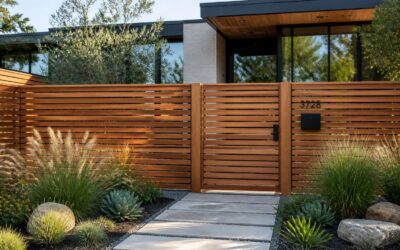
Fence designs and post systems must speak with the gate in a single language—line, material, and finish aligning to the surrounding architecture, and fences and posts should read as a cohesive frame that supports privacy and passage.
Consider these integrated elements that knit gate and fence into one durable frame:
- Matching posts and rails to gate panels for continuity
- Concealed hardware and reinforced posts for smooth operation
- Weatherproof finishes that resist sun and wind
Endurance lives in the quiet accord between gate, fence, and site, where the landscape remembers.
Aesthetics: Matching Rails, Panels, and Posts to Your Property
First impressions form in seven seconds, so the surrounding fences and posts must converse in one elegant dialect. In South Africa’s climate, a cohesive frame reads as confident architecture, not a mere boundary. Matching lines and tones that echo the property’s silhouette matter more than a flashy gate alone.
Fence designs should mirror the gate’s proportion and finish, creating rhythm along the boundary. Consider these elements:
- Harmonised line and silhouette across rails, panels, and posts
- Complementary textures that endure sun and wind
- Proportionate spacing that frames the landscape without crowding it
In this careful choreography, endurance thrives in the quiet accord between gate, fence, and site—the stage on which your property performs with restraint and grace.
Cost-Saving Design Tips and Budgeting Considerations
‘A fence is a poem you can walk along,’ a craftsman once said. In South Africa’s sun and wind, fences and posts that balance cost with character become the boundary’s quiet triumph—elegant, enduring, and surprisingly affordable when design answers the land. Let restraint guide your choice, and the property speaks with confident, climate-ready grace.
- Standardised rail-to-post proportions reduce waste and speed installation
- Galvanised steel or treated timber for longevity with minimal repainting
- Modular panels that adapt to common post spacing
- Low-maintenance finishes that resist sun fade and grime
Budget-smart choices often mean planning in phases, seeking honest warranties, and forecasting maintenance cycles that keep value steady. A modest upfront investment in quality—from foundations to fasteners—pays dividends as time wears well on a home that stands with quiet, architectural confidence.
Materials and Durability for Fence Posts
Wood Types and Treatments for Long-Lasting Posts
In South Africa’s sun and rain, untreated posts rarely outlast a decade. For fences and posts, the right wood choice and treatment matter, turning a quick fix into decades of service. Treated timber can last two to three times longer than untreated options in challenging climates.
Wood types and treatments fall into durable hardwoods and ready-to-treat softwoods.
- Radiata pine, pressure-treated with ACQ or MCA
- Kwila (Merbau) — naturally durable
- Iroko — weather-resistant
- Eucalyptus and other durable gums — affordable options
Each option pairs with compatible preservative systems to resist rot, insects, and weathering.
Durability also hinges on finish and timber exposure to ground and moisture; modern preservatives and natural durability help keep structures resilient in South Africa’s climate.
Metal, Aluminum, and Steel Post Options
South Africa’s sun-burnished homesteads demand more than curb appeal from fences and posts; they crave steadfast lifespans. Metal options answer that call with quiet, enduring strength that timber can’t always match in heat and rain.
When choosing metal, options balance heft and resilience. Galvanised steel resists rust, aluminum stays light and corrosion-free, and stainless steel offers top-tier durability. The following choices fit many SA landscapes:
- Galvanised steel posts with factory coatings
- Powder-coated aluminum posts for colour and protection
- Stainless steel posts for maximum corrosion resistance
SA’s climate rewards materials that endure sun and damp. A smart finish helps keep decades of service, and that steadiness feeds rural pride.
Vinyl and Composite Post Alternatives
Durability isn’t a feature; it’s the backbone of every SA fence line. In sun-burnished townships, vinyl posts and composite alternatives outlast peeling paint and warped timber, turning a boundary into a steadfast companion. When we talk about materials and durability, these options prove longevity can be as elegant as it is practical. They weather sun and rain with quiet resolve, preserving alignment and color where timber falters.
- Vinyl posts resist rot, warp and insect damage, and stay clean with a rinse.
- Composite posts blend wood fibers with plastics, offering a natural look with improved stability and weather resistance.
- Maintenance is minimal, though cost is a factor; you trade yearly staining for decades of calm in fences and posts.
In the SA climate, UV-stable finishes and mindful installation keep colour true and joints tight, turning boundaries into resilient guardians of property.
Weather-Resistant Coatings and Maintenance
Boundary lines are more than property markers; they are quiet sentinels under the African sun. In SA’s sun-burnished townships, the true test of a fence is how long its posts stand unshadowed by rot or warp. Durability isn’t flash or flair here—it’s the backbone of fences and posts.
Weather-resistant coatings are the shield that keeps color and alignment intact, even as rain-sculpted months give way to dry heat. UV-stable finishes on timber, powder coatings on metal, and resin-rich composites balance beauty with robust stability. Maintenance remains minimal when these systems resist moisture ingress and fading, preserving joints and lines without constant care.
- UV-stable finishes
- Powder-coated metals
- Moisture-resistant sealants
Installation Techniques and Project Planning
Site Preparation, Permits, and Layout
A well-planned fence can boost curb appeal by up to 20%, a bold little statistic that speaks volumes. In South African yards, boundaries become rooms of light and shadow, where layout determines rhythm, safety, and privacy—long before any tool touches the ground.
Before the first post meets the ground, a clear plan lays the path. Consider these essential planning considerations:
- Site survey and setbacks
- Utilities and drainage checks
- Permits with local council
- Gate and access layout
Once the plan is present, installation techniques follow the map: markers, level posts, and concrete that binds the line to earth, ensuring fences and posts stand true against wind and time. The result is architecture that breathes with the landscape and speaks softly of care.
Post Setting Methods: Concrete vs. Gravel
Installation day is where plans meet the ground and a good fence stops being a dream and becomes a promise. For fences and posts, the post-setting debate splits into concrete versus gravel: one anchors the line like a bank vault, the other speeds things along without fuss. Nail the plan, and you’ll guide wind, sun, and SA’s uncooperative soil with a confidence that feels almost architectural!
- Concrete: rock-solid permanence, best for long runs and exposed sites; slower setting but stubborn against wind.
- Gravel: quick installation, easy adjustments, ideal for slopes or temporary setups; easier future replacement.
- Choose based on soil, climate, and how permanent you want your boundary to feel.
When you plan around concrete or gravel, you tailor a boundary that performs, not just looks the part.
Aligning Panels and Gates for a Professional Look
Alignment is the quiet magic that turns fences and posts into a boundary that breathes with wind and light. A master craftsman once whispered, “Lines tell a story before a single nail is driven.” In this phase, installation techniques become project planning—the difference between a tidy line and a wandering silhouette.
Map the line with batter boards, keep the string level and true, and draw posts into the ground with consistent depth. Align rails and gates before any permanent fastening—treat it as choreography, so the final display endures in SA sun and storm with a professional look.
These considerations make the boundary cohesive, reducing misalignment and ensuring the line reads as a deliberate design choice rather than a random fence.
Common Mistakes and How to Avoid Them
Lines do not lie; they carry intention into the wind. A single misaligned post can become a stubborn echo through the property. In this phase, installation techniques and project planning must align—like a conductor cueing every note. The discipline of marking batter boards, keeping the string level, and matching post depth keeps fences and posts from drifting into a haphazard silhouette.
Common mistakes surface when speed outruns precision. Avoid them with a steady checklist:
- Skipping batter boards or rechecking levels
- Ignoring changes in grade along the line
- Forcing posts into unstable soil or over-concreting too quickly
- Neglecting gate alignment until the end
With careful planning, installation becomes a quiet performance that lasts through SA sun and storm.
Tools and Safety Precautions
Precision is the loudest hinge in any fence project. The best installations begin long before a post goes in, with a clear scope, a rough map, and a plan you can follow under the SA sun. I trust planning tools that translate soil whispers into measurements, so the line stays true when wind arrives like a rival conductor.
Installation techniques lean on consistent practices: marking, level checks, and orderly material staging. Safety precautions are not afterthoughts but a steady rhythm you keep to, because a single careless moment can echo down the line.
When you walk the line, fences and posts stand as sentinels. With the right plan, the project becomes a quiet performance that resists the elements—enduring in South Africa’s sun and wind.
Maintenance, Repairs, and Longevity
Seasonal Cleaning and Inspection Schedule
Boundary lines are more than borders—they’re weathered witnesses to SA’s sun and rain. A robust approach to maintenance can add years to a fence’s life, with local installers reporting up to a 30% improvement when upkeep is regular.
Seasonal Cleaning and Inspection Schedule keeps rot at bay and gates swinging true. For fences and posts, this rhythm means a quick check after heavy rains and before the dry season—watch for loose fittings, cracks, and coating wear.
A brief seasonal checklist helps maintain momentum.
- Visual survey for movement and corrosion
- Clear debris and ensure footings drain
- Review coatings and tighten fasteners
In SA’s varied climate, steady care turns boundaries into lasting backdrops for homes and gardens.
Preventative Maintenance for Posts and Rails
A well-tended fence survives SA’s sun and rain, and local installers report up to a 30% longer life when maintenance is regular. Fences and posts, when cared for, become dependable backdrops rather than weathered exasperations.
Preventative maintenance for posts and rails is a quiet investment—an ounce of foresight preserves decades of beauty and function in the SA yard.
Seasonal pauses reveal drift in balance and telltale signs; the aim remains to keep rot at bay and the boundary quiet and dignified.
- Indicators of movement and corrosion
- Coating wear and fastening integrity as warning signs
- Drainage and soil stability around footings
With patient care, fences and posts turn from daily chores into lasting stage props for homes and gardens.
Repair Techniques: Post Replacements and Re-fastening
Across SA, a single compromised post can unravel more than a fence’s look—the yard seems to whisper that time is catching up. Local installers report up to 30% longer life when preventative care is regular!
Maintenance and longevity repair hinge on two pillars: post replacements and re-fastening. Post replacements involve selecting a matched profile and ensuring the new piece slots neatly into the existing system. The goal is seamless integration for fences and posts.
- Post replacements that match the system and ensure a solid line
- Re-fastening with corrosion-resistant hardware to restore rigidity
- Ongoing inspection cues to anticipate movement and rot
With careful attention, the structure lasts.
When to Rebuild vs Repair
A boundary isn’t just a line; it’s a statement of care. In South Africa, preventative care can extend the life of fences and posts by up to 30%, turning time’s edge into confidence rather than decay. The choice between rebuild and repair shapes both look and strength.
Repairs tighten what’s still sound: minor rot, loose rails, or corroded hardware can restore rigidity without altering the profile. If several posts are compromised or alignment has shifted, rebuilding preserves the system’s integrity and reduces future trouble for fences and posts.
- Rot at the base or interior that softens core strength
- Post movement that returns after tightening
- Gaps or misalignment between panels
Ongoing inspection cues—the wobble, cracking, or rust—guide the call between repair and rebuild, preserving safety, aesthetics, and longevity for fences and posts against South Africa’s sun and storms.


0 Comments