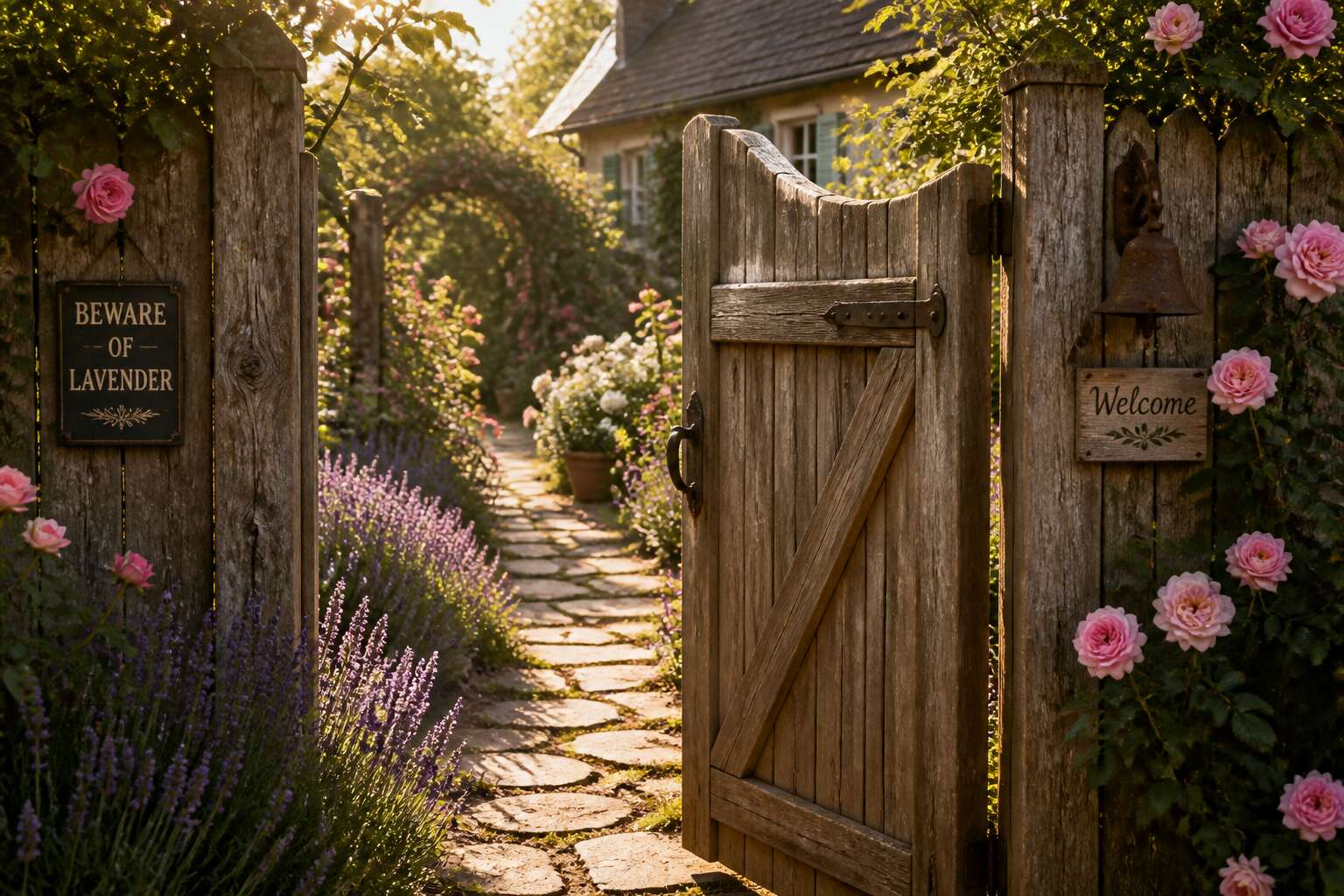
Planning Your Property Boundaries
Assessing Your Landscape and Topography
The ground remembers. In South Africa, property boundaries still trace old farm roads and ancient watercourses, not the neat lines on a title deed. Before you plan fences gates and gardens, walk your land after heavy rain. I have watched landowners skip this step and regret it. Watch where water pools and where soil washes away. That runoff dictates where a boundary fence will hold and where it will fail within one season.
Topography changes perception. A fence on a ridge reads differently from one in a valley. Gates placed at the lowest point of a slope become mud traps. The surveyor’s flat map rarely matches the living terrain.
Look for these markers when assessing your boundary:
– Existing vegetation that reveals seasonal flooding
– Rock outcrops that shift with temperature extremes
– Old fence posts leaning in the prevailing wind direction
Aligning your boundary plan to the land’s actual behaviour prevents costly rework and keeps fences gates and gardens in harmony with the ground itself.
Defining the Primary Purpose of Your Enclosure
Every enclosure begins with an uncomfortable question. What exactly are you keeping in, and what are you keeping out? The answer determines whether your investment serves you or merely decorates the boundary. In South Africa, this decision often splits between security and lifestyle. A boundary designed for privacy looks different from one built to deter intrusion. Traffic noise, wandering stock, wind pressure, and visibility all change the specification.
Before considering materials or heights, write down the primary function. This single act of definition shapes every subsequent choice. Without it, you end up with a fence that does many things poorly. The most successful fences gates and gardens share one trait. They know their job. And they refuse to apologise for it.
Understanding Local Zoning and HOA Requirements
Before you sink a single post, the municipality has already had its say. In South Africa, town planning schemes dictate boundary lines, height restrictions, and setback requirements. Your neighbour’s approval might matter more than your own preference. HOA rules add another layer, governing aesthetics, materials, and colour. Ignoring these regulations turns installation into a legal headache. I have seen a beautiful new gate ripped out because it encroached on a servitude.
Three documents govern every boundary decision:
- The title deed, recording servitudes and restrictive conditions.
- The municipal zoning scheme, setting height and setback limits.
- The HOA constitution, mandating design approval for visible changes.
Fences gates and gardens exist within this framework. The boundary belongs to you, but the rules belong to everyone.
Selecting Materials for Enclosures
Classic Wood and Timber Options
Saligna, meranti and treated pine. These three timbers carry most of South Africa’s enclosure work. Each brings a different temperament. Saligna is dense and heavy, ideal for coastal humidity. Meranti offers rich red grain and natural rot resistance. Treated pine is the budget option.
Wood is never static. It swells with summer rains and shrinks during Highveld winters. That movement shapes post spacing and screw selection. Well seasoned boards with hot dipped galvanised fixings hold true for decades. Careless choices warp within months.
Timber grades matter:
- Structural grade for load bearing posts
- Clear grade for visible panelling
- Utility grade for internal framing
Species, treatment level and grain direction determine how your fences gates and gardens hold up. The best timber choices create fences gates and gardens that weather elegantly. Quarter sawn boards resist cupping. Flat sawn boards cost less but move more.
Designing Entrances and Transitions
Architectural Styles for Gates
A gate is the first contract between you and the visitor. In the full system of fences gates and gardens, the entrance does more than secure; it choreographs the transition from public street to private domain. The architectural style of your gate sets this rhythm. A low, wide gate with horizontal slats slows the eye, while a tall, pierced metal panel creates tension before the reveal.
South African properties often respond to Cape Dutch geometry or the clean lines of modern farmhouses. Consider the vernacular! The transition can be sharp or gradual, but it must be deliberate. Pillar heights, hinge placement, and even the threshold material all alter how you move through the space.
- Gate silhouettes that echo the roofline
- Hardware finishes that match existing trim
- Surfaces underfoot that signal a change in zone
Each decision shifts the pace. The gate is never a mere barrier; it is the opening sentence of your garden’s narrative.
Integrating Planters, Trellises, and Arbors
A visitor’s first physical experience of a property happens before the gate swings open. The sequence of planters, trellises, and arbors placed along the approach determines whether that experience feels measured or hurried. Planters positioned at the hinge draw the eye down and slow the stride. A trellis against the boundary wall offers a partial view, a pause before the reveal. An arbor over the path narrows the field of vision and then releases it.
These devices form the operational structure of entry. They coordinate with the larger logic of fences gates and gardens, giving shape to the passage between street and home. In South Africa, I have observed this sequence under coastal glare and in highveld shade; materials adapt, psychology does not. Posture, pace, and expectation all shift before a word is exchanged.
Lighting for Safety and Nighttime Appeal
The sun disappears over the Magaliesberg and your gate becomes a black rectangle. That is poor design. Lighting turns the transition from street to sanctuary into something legible, but it must do two jobs at once. It must stop ankles from twisting on uneven pavers and discourage visitors who arrive unannounced at midnight. Fences gates and gardens all benefit from layered lighting.
Consider what effective entrance lighting actually does:
- Downlighting at the gate hinge prevents the blind spot that favours loiterers.
- Uplighting a nearby tree creates a ceiling of leaves and a sense of enclosure.
- Step lights set into risers define the path without turning the entrance into a runway.
A lit entrance does not need to glare like a filling station. It should suggest that someone is home, that the path is deliberate, and that the boundary between public and private is managed with intention.
Choosing Decorative Hardware and Finishes
A visitor reads the threshold before they read the homeowner. The entrance is the most handled part of a property. Every visitor touches the latch, every delivery driver reads the finish. Designing entrances and transitions starts with the sequence of movement. A gate that sticks, a path that narrows, a latch that requires a stretch, each detail tells a visitor something about the owner.
Choosing decorative hardware and finishes is where fences gates and gardens gain their personality. Forged steel handles age differently from stainless. Bronze develops a patina that suits Highveld dust. Powder coating hides scratches better than paint on aluminium. The transition from street to home works when the gate swing, the handle reach, and the path width all align. Hardware is the part people touch, so its weight and texture matter more than its polish.
Coordinating Colors with Garden Plantings
The threshold does not end at the latch. It continues into the garden, where colour either completes the passage or breaks it. A pale gate against dark fever trees invites a different mood than a black steel frame against aloes. The trick is to read the planting as part of the entrance itself, not as decoration behind it.
I have stood at many Highveld properties where the fence line disappears into the vegetation, and the transition feels accidental. Coordinate the hard edges with the living matter around them. Choose blooms that echo the finish of the hardware, or go the other way and let the plantings swallow the structure entirely. Both work. What fails is the middle ground, where nothing speaks to anything.
Consider the seasonal shifts before you commit to a palette:
- Winter grass turns the colour of rust, which pairs well with weathered steel.
- Spring purple and white flowers soften the severity of dark timber.
- Evergreen hedges maintain a constant shadow behind lighter gates.
Your fences gates and gardens should read as one continuous gesture, where the eye moves from street to stoep without stumbling. Let the garden carry the gate’s tone forward, and the whole entrance becomes a sentence spoken in one breath.
Balancing Security, Privacy, and Openness
Determining Height and Visibility Strategies
In South Africa, the average boundary wall stands at 1.8 meters, yet security audits still find blind spots at eye level. This tension between shelter and sightline shapes every choice about fences gates and gardens. I have learned that height alone rarely solves the problem; visibility carries the weight.
Treat the garden as zones with different needs. Near the street, a solid gate with a small window lets you greet visitors without exposing the whole property. Deeper inside, lower fencing maintains sightlines while defining space. A staggered approach beats one uniform wall!
- Front boundary: 1.2 meters, transparent inserts.
- Side passage: full height, lattice top.
- Back garden: 1 meter, plants for privacy.
This layering lets you decide who sees what, when. A solid fence blocks street noise. A see-through gate signals openness. Match each section to its purpose, avoid a monotonous barrier. Balance comes from testing sightlines from both sides.
Selecting Locking Mechanisms and Access Controls
Every gate hinge carries a question: how much world do you let in? In my experience, the lock is the quiet negotiator between shelter and welcome. A deadbolt that thuds reassuringly at dusk, a keypad that remembers your code when your hands are full of shopping bags.
For fences gates and gardens, security begins when you match the mechanism to the moment. Consider the difference between a latch that clicks for family and a smart lock that alerts you to a late-night delivery.
- A rim lock for the side passage, sturdy and unglamourous.
- A mortise lock with a thumbturn for the front gate.
- A biometric reader for the back garden, where tools live.
Each choice changes the rhythm of entering and leaving. Privacy is not a wall; it is control over who holds the key. Even the most open fences gates and gardens depend on that small moment of refusal.
Using Planting Screens and Natural Hedges
A boundary need not be a barrier. When the sun leans low over Johannesburg, a hedge of wild olive and plumbago turns a fence line into something softer, a living lintel that filters the street noise and the neighbour’s gaze. For fences gates and gardens, this is where security becomes texture. A clipped hedge does not shout; it hums.
Let the height vary with intention. A low edge of rosemary for the front path, a tall screen of bamboo where the wind arrives. In Cape Town, I have seen spekboom walls that invite touch, their leaves thick and forgiving. This is the art of threshold making.
- Plant dense indigenous grasses to blur the boundary line.
- Use a single row of tall shrubs to block a specific window.
- Layer groundcover at the base to soften the gate posts.
The gate remains the point of decision, but the planting around it prepares the mood. A screen does not imprison the view; it selects it. This layering turns a hard edge into a verdant threshold, where fences gates and gardens become one continuous gesture of welcome and reserve.
Ensuring Pet Safety Without Sacrificing Views
More dogs escape through gates than over fences. That fact drives our pet safe designs. A boundary must hold a dog without hiding the garden.
Start low. Bury a mesh lip under the gate line. It stops digging and keeps the view clear above. Use vertical slats spaced to block leaps, not sunlight.
For fences gates and gardens, the gate is the weak spot. Self-closing hinges fix that. Add a drop rod.
- Check the gap below the gate. An 8cm gap is a tunnel.
- Choose latches that a paw cannot open.
- Keep plants away from the gate so they don’t become a ladder.
A solid lower half hides the street view. The upper half stays open. Your dog stays in, the openness remains.
Installation, Maintenance, and Longevity
Preparing the Ground and Foundation
A fence depends entirely on the ground beneath it. In South Africa, clay soils swell, coastal sands shift, and a post set without care will fail within two seasons. I have seen magnificent gates sag within a year because someone skipped the compaction test.
The foundation does the real work. Dig past the topsoil to firm subsoil, pour concrete around galvanised or treated posts, and allow proper curing. Termites, moisture, and frost heave in the Highveld all target weak installations. Regular inspection of post bases after heavy rain, and keeping soil from resting against timber, will extend the life of the structure considerably.
When fences gates and gardens share a site, ground preparation dictates how long everything remains true. That is the part nobody photographs, but every straight line depends on it.
Hanging and Aligning Gates Correctly
A gate that hangs correctly is the result of careful work. The hinge side carries the load, while the latch side only meets the catch. In South Africa, strong winds and shifting soils can knock a gate out of square within seasons.
Check the gap between gate and post each month. A 5mm drop on the latch side means the hinges have moved. Loosen the hinge bolts, lift the gate with a spacer, and reset the angle before tightening again. For double gates, use a plumb line to confirm both leaves meet at the centre.
- Grease hinges twice a year, before winter and after heavy rains.
- Inspect the latch strike plate for wear.
- Fit a guide wheel on the drop side for heavy gates.
Fences gates and gardens settle at different rates. The gate is the only moving component, so it needs attention long after the panels have stabilised.
Seasonal Care for Different Materials
Cape storms can strip a timber fence of its protective coating in a single weekend, while Highveld sun splits untreated posts by August. Seasonal care for different materials keeps fences gates and gardens resilient through these extremes. Wood needs oil before autumn rains, steel needs galvanised touch-up after moisture exposure, and aluminium handles salt air with simple soap washes.
Build a maintenance calendar around local weather patterns:
- Winter: drain pooled water from post bases to prevent frost heave
- Spring: probe for termite tunnels and corrosion along weld lines
- Autumn: reapply sealants and torque loose hardware
Monitor moisture at ground level. That is where rot and rust start first, long before visible damage reaches eye level. Coating schedules must match your region, not a generic timeline.
Repairing Damage and Upgrading Components
Installation mistakes surface years later. A gate post set in concrete without drainage will shift, pulling the frame out of square. The remedy costs more than the original work. Before pouring anything, study the soil and water flow on your property.
Maintenance is about catching small failures early. Rust along a weld line spreads fast in coastal air. Termites work silently inland. Check monthly, not annually.
- Inspect hinges for sag every season
- Replace corroded bolts immediately
- Re-seal exposed timber ends before rain
Longevity comes from upgrading components before they fail. Swap standard hinges for heavy-duty strap hinges. Replace galvanised screws with stainless steel. These small changes add years to your fences gates and gardens without the cost of full replacement. Repair the damage, then upgrade the weak points.




0 Comments