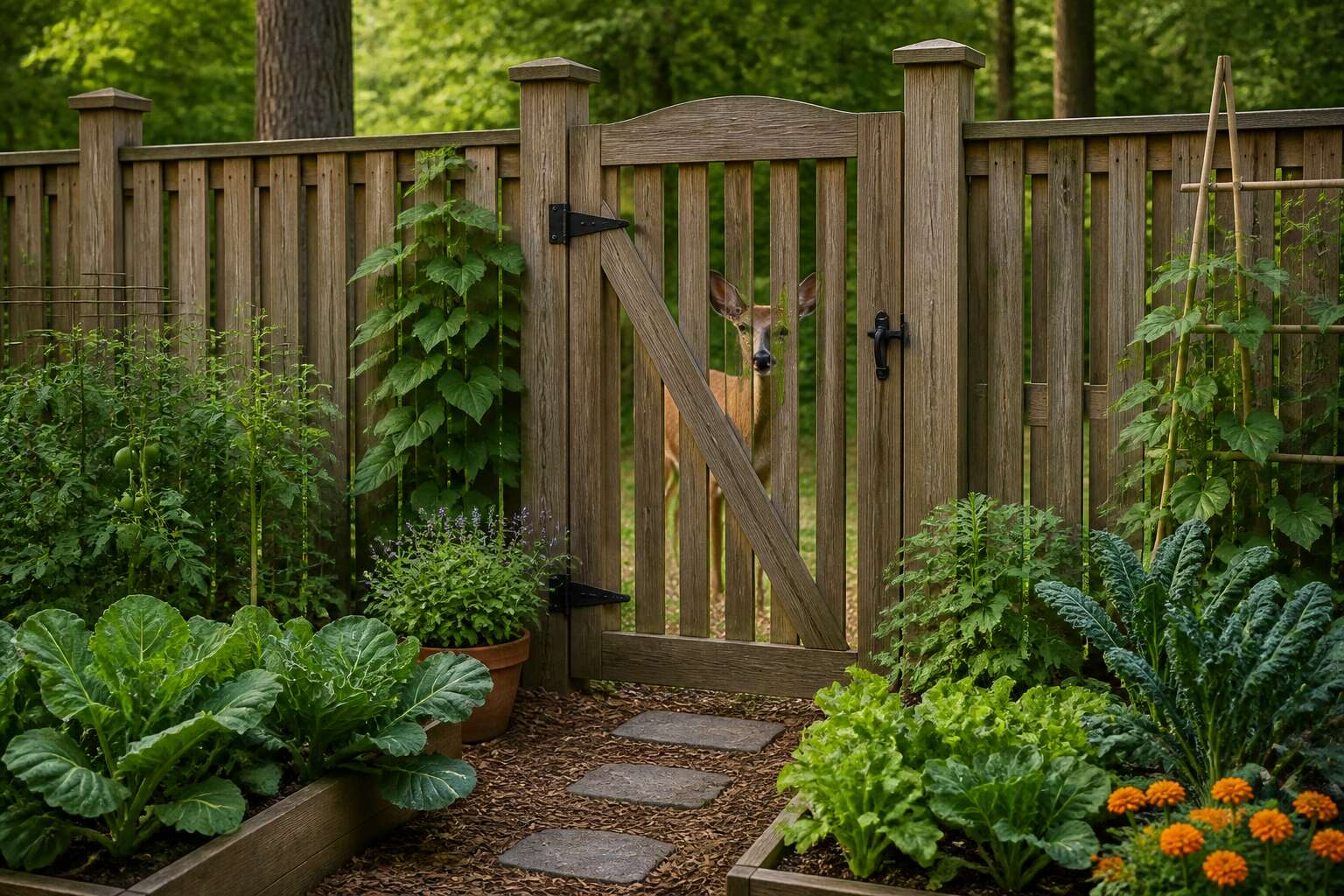
Understanding Deer Behavior and Fencing Needs
A single deer can clear a 2.4 metre fence with ease. That fact should shape every decision you make! Deer are not random wanderers. They follow established trails, returning to the same garden until the food source changes. They also test barriers, pushing at weak spots and jumping where the angle is easiest.
Understanding this behaviour is the foundation of effective fencing. A fence that works in one season may fail in another, especially during winter when hunger makes deer bolder. Consider what deer need:
- They need a clear view over the fence before jumping.
- They avoid narrow or unstable landing zones.
- They prefer slopes and corners where fences are lower.
This is why the best fences to keep deer out of garden are tall, sturdy, and installed with these habits in mind.
Types of Deer Fencing
A single nimble antelope can clear a 2.4 meter fence without breaking stride. That is why haphazard barriers fail while deliberate fences to keep deer out of garden succeed. The key lies in understanding how these animals perceive threats and obstacles.
For most properties, the practical options fall into three categories. Choose based on your garden’s size and your tolerance for maintenance.
- Vertical mesh or wire netting, installed at least 2.1 meters high.
- Electric offset fences, which combine a low hot wire with a physical barrier.
- Double fences, set 1.5 meters apart to create a visual gap that deer refuse to jump.
Each type exploits a different instinct. Mesh relies on physical exclusion. Electric trains muscle memory. The double fence plays on depth perception and caution. Regardless of choice, the fence must be taut and continuous. A sagging section invites a test, and a single breach erodes confidence. When you invest in fences to keep deer out of garden, treat the perimeter as one living boundary. Check it seasonally. Tighten the posts. And remember, a deer that cannot see the landing zone will rarely attempt the leap.
Installation Tips and Best Practices
Proper installation separates a decorative barrier from a real defense. The fences to keep deer out of garden spaces fail most often at the corners, where tension slacks and gaps appear. I have watched homeowners celebrate a finished fence, only to spot a buck testing the boundary within a week. Anchor posts at least 60 centimeters deep, especially in sandy Cape soils that shift with winter rain.
Height alone will not save you! Deer clear 1.8 meters with ease, so add a second rail or angled extension. For uneven ground, dig the bottom line slightly into the soil to close the crawl gap. A fence that sways invites trouble, so tighten every wire monthly during the first season.
- Set posts 3 meters apart, never wider
- Bury the bottom edge 15 centimeters deep
- Use galvanized mesh, not chicken wire
Maintenance and Cost Considerations
Few gardeners anticipate the true price of peace when they invest in fences to keep deer out of garden spaces. The initial quote is only the beginning. Maintenance becomes a ritual, a scheduled duty that follows the seasons.
Regular inspections catch small failures before they become costly breaches. I check my fence monthly, especially after the Highveld thunderstorms that rattle even the sturdiest posts. The expenses accumulate quietly:
- Replacing rusted wire every three to five seasons
- Tensioning sagging sections after winter frost heaves
- Treating wooden posts against borer beetles and rot
- Trimming back the creepers that use your fence as a ladder
Budget for these recurring costs, not just the installation. A well-maintained fence outlasts a neglected one by decades. That durability justifies the vigilance.




0 Comments